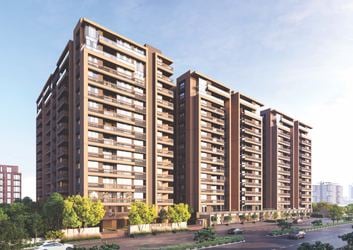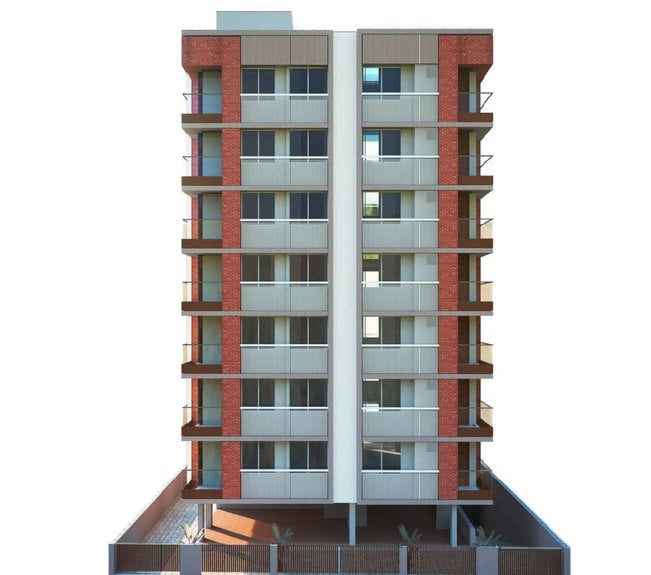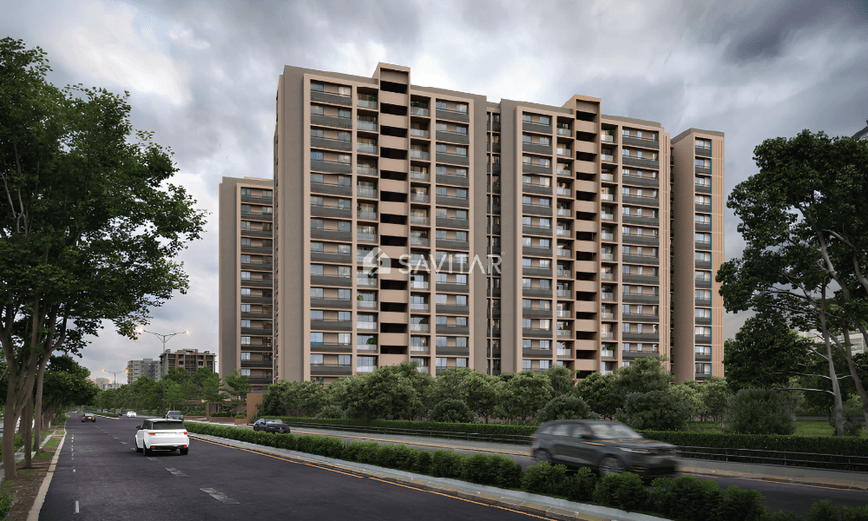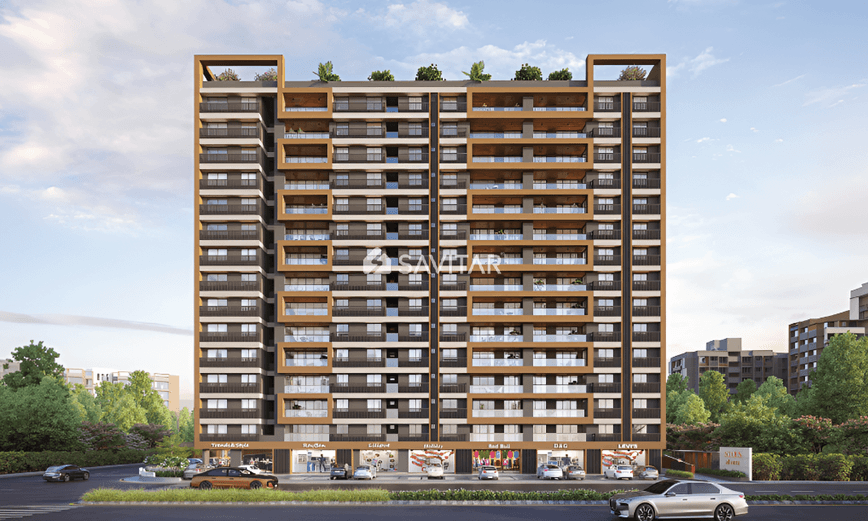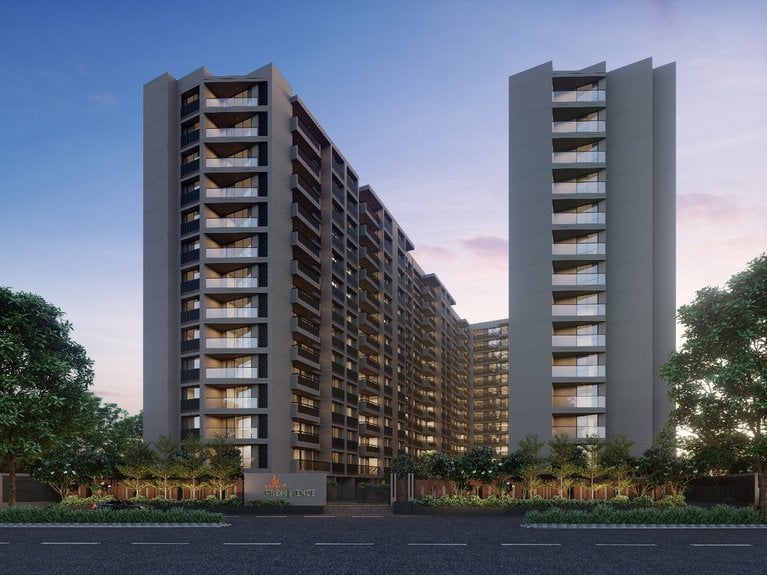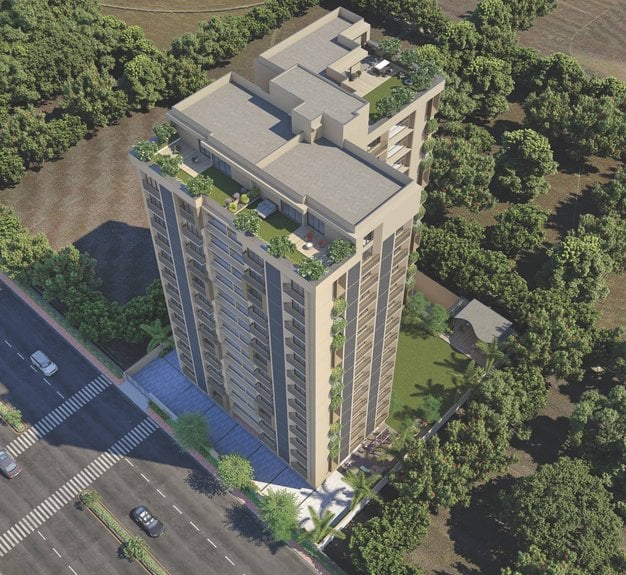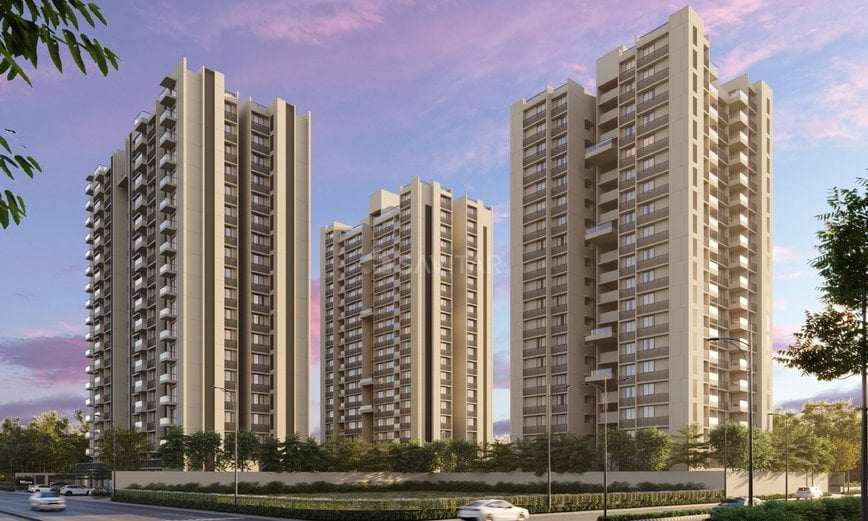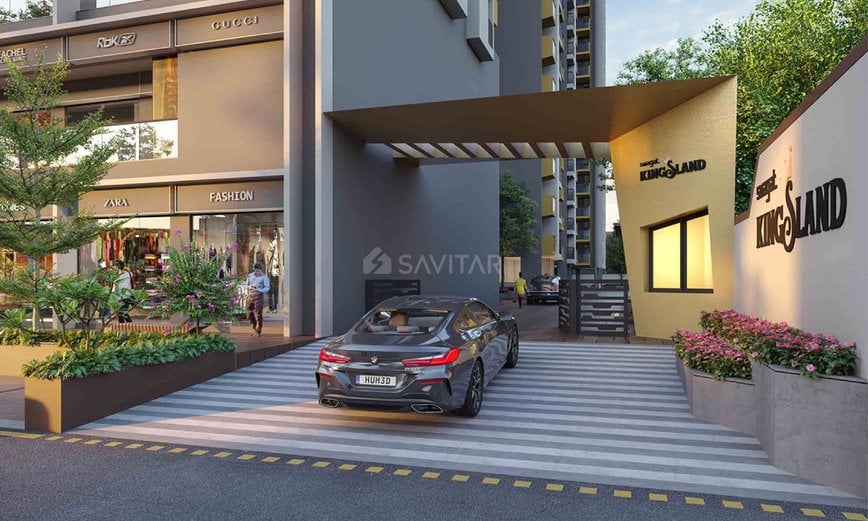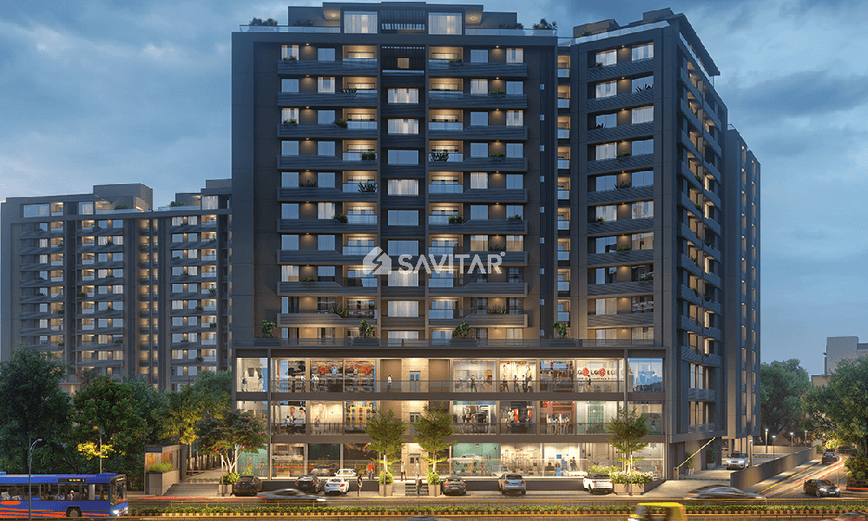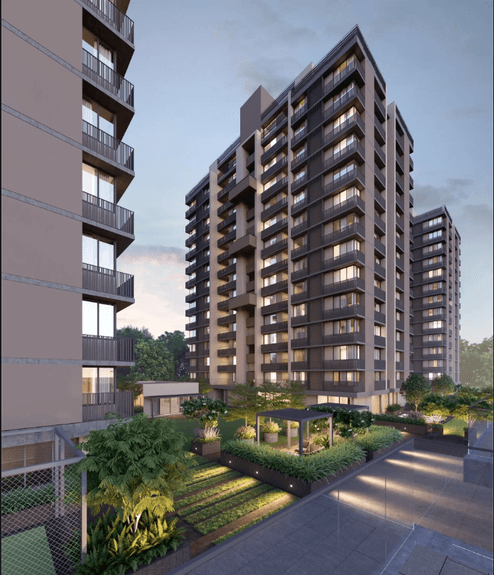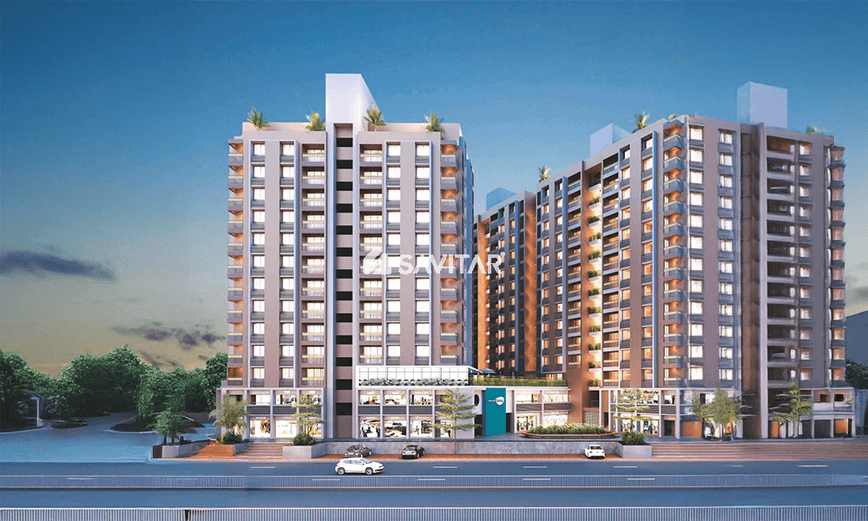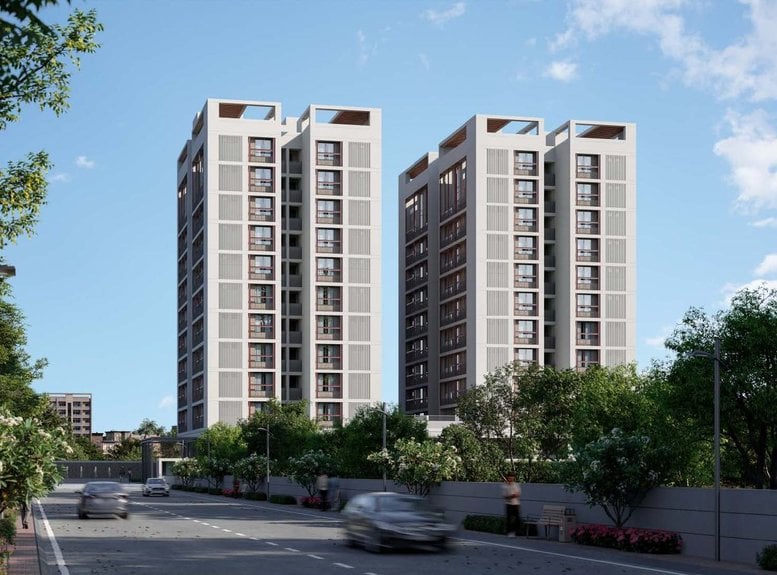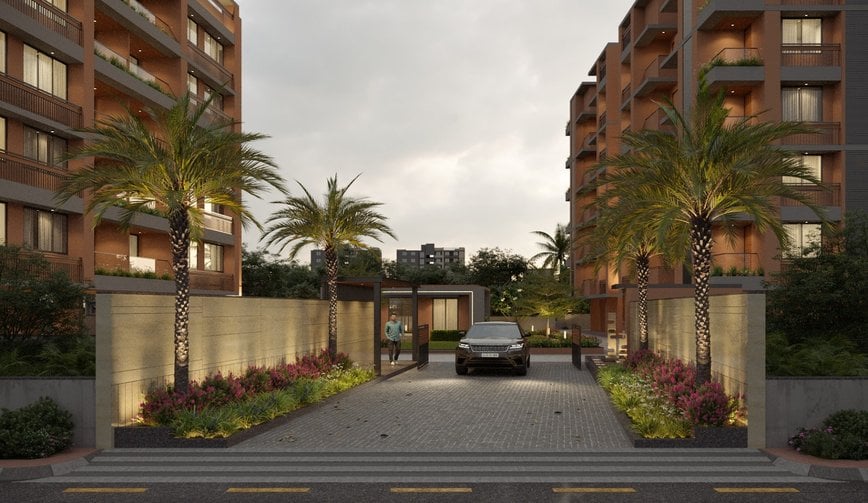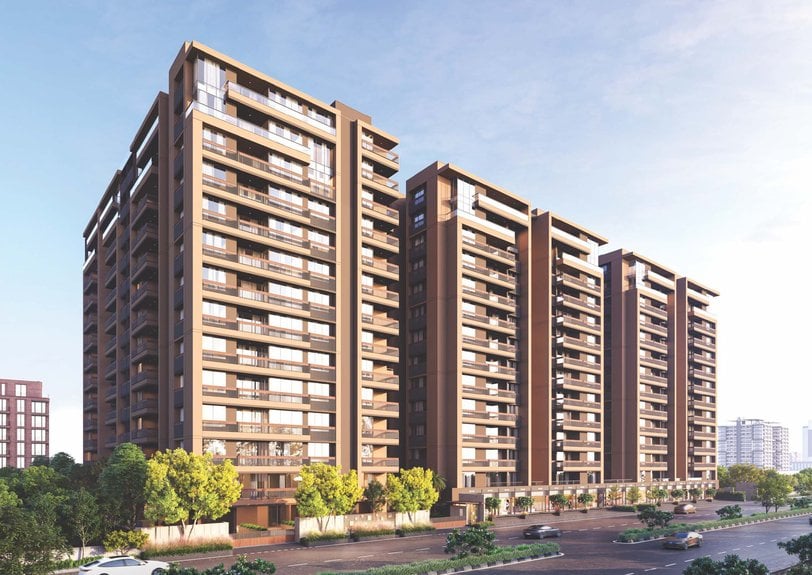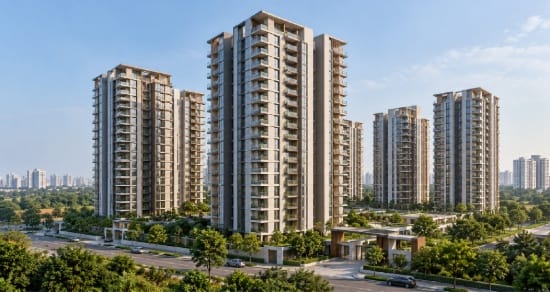
CAPTOWN ENVER
Captown Enver, behind Rajthal, nr. Aashray Aurum, Ambli, Ahmedabad, Gujarat 380058, India
₹86.99 L
Walk into any bank, sub-registrar's office, or e-Dhara Kendra in Gujarat and ask for help with land — the very first paper they will demand is your 7/12 utara. Farmers in villages call it Saat Baara Utara, banks call it the Gujarat 7/12 nakal, and lawyers call it the Record of Rights. The names change, but the document is the same — and it decides whether the government actually treats you as the owner of your land. Many landowners sign papers and pay money without ever reading their 7/12, and that single mistake is how most land frauds in Gujarat happen. This guide explains what 7/12 utara means, what information it shows, how to check it free on AnyROR Gujarat using just your survey number, and the new Aadhaar–mobile linking rule that is now mandatory for every account holder.What you'll learn in this guideWhat is 7/12 utara and why is it called Satbara?Short history of 7/12 utara in GujaratWhat information does form 7/12 contain?Why is the 7/12 land record so important?How to check 7/12 utara online on AnyROR GujaratHow to download digitally signed RoR (legally valid copy)Difference between 7/12, 8A and Property CardNew rule: 7/12 Aadhaar & mobile linkingGlossary & FAQs1. What is 7/12 Utara? (Simple Definition)The 7/12 utara is the most important land record document in Gujarat for rural and agricultural land. It is also called Saatbara Utara, Satbara Utara, or simply "7 12 nakal". The name comes from two village forms that the document combines:Village Form 7 (VF-7 / ગામ નમૂના નં. ૭) — records the owner's name, survey number, area, and rights over the land.Village Form 12 (VF-12 / ગામ નમૂના નં. ૧૨) — records the crop grown, irrigation source, and how the land is used.When you put Form 7 and Form 12 together, you get one extract — the 7/12 utara. The Revenue Department of Gujarat issues this document. The village-level officer called the Talati-cum-Mantri maintains it, and the Mamlatdar at the taluka office signs the final copy.Note: The number "7/12" is just the form number — it has nothing to do with a date or fraction. So when someone asks "what is 7 12 in property", the simple answer is: it is the official ownership-and-cultivation extract for rural land in Gujarat.2. A Short History of 7/12 Utara in GujaratThe 7/12 system is not new. It came from the old Bombay Land Revenue Code, 1879, when Gujarat was still part of the Bombay Presidency. After Gujarat became a separate state in 1960, the Revenue Department continued the same Village Form system. For decades, every village kept these registers in thick paper books at the Talati's office, and people had to walk to the village office and request a copy by hand.Things changed in the early 2000s. Gujarat became one of the first states in India to digitise its land records through the e-Dhara project. Today, the state manages around 1.5 crore digital land records covering all 33 districts and over 18,000 villages through a single online portal called AnyROR (Any Record of Rights Anywhere).3. What Information Does the 7/12 Utara Contain?The 7/12 utara details give you a complete picture of one piece of land. When you open the nakal, you will see:SectionWhat it showsOwner / Khatedar NameName of the legal landholder. If land is jointly owned, all names appear.Survey Number / Block NumberUnique number assigned to your plot in the village.Total AreaArea of land in hectares and square metres.Type of LandWhether the land is agricultural (kheti) or non-agricultural (bin-kheti).Crop PatternWhat crops were grown season by season.Irrigation SourceWhether the land is rain-fed, canal-irrigated, or tube-well irrigated.Loans / EncumbrancesAny bank loan, mortgage, or court case linked to the land.Mutation Entries (Ferfar)History of every ownership change — sale, gift, inheritance, partition.Quick summary: Read a 7/12 utara like a "biography of your land". It tells you who owns it, how big it is, what is grown on it, and whether it carries any debt or dispute.4. Why is the 7/12 Land Record So Important?Whether you live in a village in Saurashtra, Kutch, or central Gujarat, the 7/12 utara works as your primary proof of land ownership. Here is where you will need it:Buying or selling land — the buyer must check the seller's 7/12 to confirm the real owner and look for hidden loans.Bank loans — banks will not give you a Kisan Credit Card, crop loan, or land-mortgage loan without the latest 7/12.Government schemes — PM-KISAN (₹6,000 yearly support), crop insurance, soil health card, drip irrigation subsidies — all need an updated 7/12.Inheritance and partition — when a parent passes away, children must update the 7/12 with their names through mutation (ferfar).Court cases & boundary disputes — courts use the 7/12 timeline to settle who owned what and when.Buyer alert: Before paying even ₹1 of token money for any plot, ask for the seller's latest 7/12 and check three things — name match, area match, and "no loan / no dispute" status. Three minutes of checking can save years in court.5. How to Check 7/12 Utara Online on AnyROR Gujarat (Step-by-Step)The Revenue Department of Gujarat has built one official portal — AnyROR Gujarat. You do not need to register, login, or pay anything to view your land record. The link is https://anyror.gujarat.gov.in.Important: The Revenue Department itself has stated that no other website or mobile app is the official source. Many copy-cat sites exist. Always type the URL "anyror.gujarat.gov.in" yourself.Steps to view 7/12 utara online (rural land)Open anyror.gujarat.gov.in in any browser on phone or computer.On the homepage, click "View Land Record – Rural".From the dropdown, choose the form you want:VF-7 Survey No. Details — for ownership info.VF-8A Khata Details — for the khata/utara summary.Old Scanned VF-7/12 Details — for the old (juna) 7/12 utara before digitisation.VF-6 Entry Details — for mutation/ferfar history.Pick your District → Taluka → Village.Enter your Survey Number or Block Number.Type the captcha and click "Get Record Detail".The land record opens on screen. Take a screenshot or print the page.How to download the digitally signed RoR (legally valid copy)The "view" copy is only for information. For bank work, sale agreements, or government departments, you need a digitally signed RoR. This copy carries a digital signature from the Revenue Department and is treated as legally valid.On AnyROR homepage, click "Digitally Signed RoR".Enter mobile number and captcha → click Generate OTP.Login with the OTP. (If OTP does not arrive, try the SANDES app on Android/iOS.)Choose the village form (VF-7, VF-7/12, VF-8A, VF-6).Pick District → Taluka → Village → Survey/Block/Khata Number → click "Add Village Form".Click "Proceed for Payment" and pay the small fee (currently around ₹15 per village form as of 2026).Click "Download RoR". (Download within 24 hours of payment.)Helpline note: If something fails, call the iORA helpdesk at 1800-233-5500 or visit your nearest e-Dhara Kendra at the taluka office.6. Difference Between 7/12 Utara, 8A Khata, and Property CardThis is the question buyers and farmers get confused about most. All three are land records, but they answer different questions.DocumentUsed forMain purpose7/12 Utara (VF-7/12)Rural & agricultural landShows owner + crop + rights of one specific survey number.8A Khata (VF-8A)Rural landLists all survey numbers held by one khatedar — like an "account statement" of the landholder.Property CardUrban & non-agricultural landShows ownership for plots/flats inside city limits (Ahmedabad, Surat, Vadodara, Rajkot, Gandhinagar etc.).So if your land is inside a village or is agricultural, you need a 7/12 utara. If your property is a flat in Ahmedabad or a plot in a city ward, you need a Property Card instead.7. Mandatory Rule: 7/12 Aadhaar & Mobile Linking (In Effect Since 2025)Since July 2025, the Gujarat government has made it mandatory for every account holder listed in the 7/12 utara to link their Aadhaar card and mobile number through the local e-Dhara Kendra. The rule is fully in force in 2026 — and every active source confirms it. The reason is simple — to stop land grabbing and forged sales, especially of land owned by NRIs, senior citizens, and absentee owners.Once your Aadhaar and mobile are seeded, the system sends an SMS alert to every co-owner the moment any change is requested on the 7/12 — a sale, gift deed, mortgage, or partition. Read the official news report here: DeshGujarat – Aadhaar & mobile seeding mandate.Action point: Visit your taluka's e-Dhara Kendra with your Aadhaar card and a working mobile number. The seeding is free and takes about 15 minutes. Do this even if your land is in your grandfather's name — you can still attach your mobile as an alert contact.8. What If Your 7/12 Has Mistakes? (Mutation & Correction)Sometimes the 7/12 record shows the wrong name, wrong area, or a missing inheritance. Do not panic — the law allows correction through a process called mutation (locally known as ferfar or nondh):Visit the e-Dhara Kendra at your taluka or apply through the iORA Gujarat portal.Submit supporting papers — sale deed, death certificate, succession certificate, or partition deed.The Talati issues a 135-D Notice inviting objections from other owners.If no one objects within the time given, the new entry is approved and the 7/12 updates.Minor corrections usually take 30–45 days. Cases that involve many heirs or disputes may take 60–90 days.9. Common Terms You Will Hear (Quick Glossary)TermMeaningRoRRecord of Rights — the umbrella term for 7/12, 8A, etc.AnyROR"Any Record of Rights Anywhere" — Gujarat's online portal.e-DharaThe digital land-records system behind AnyROR.BhulekhHindi word for "land record"; people often type "Bhulekh Gujarat" while searching.KhatedarThe legal landholder named in the record.TalatiVillage revenue officer who maintains records.MamlatdarTaluka-level officer who signs the final document.Khasra / KhatauniNorth-Indian terms for the same idea — survey number record & account.Ferfar / NondhMutation entry — record of any change.JantriGovernment-fixed property valuation rate used for stamp duty.Frequently Asked Questions (FAQs)How can I check 7/12 online for free?Go to anyror.gujarat.gov.in, click "View Land Record – Rural", choose VF-7 or VF-7/12, pick your district–taluka–village, enter the survey number and captcha. Viewing is completely free. Only the digitally signed RoR has a small fee.What is the Gujarat Saatbaara Utara?"Saatbaara" is the Gujarati pronunciation of "7/12". The Gujarat Saatbaara Utara is the same document as the 7/12 utara — a combined extract of Form 7 (ownership) and Form 12 (crop & cultivation) for rural land.What is the difference between 7/12 and a Property Card?The 7/12 utara is for rural / agricultural land and is maintained at the village level. The Property Card is for urban / non-agricultural property inside city limits and is maintained by the city survey office. Both prove ownership, but they are used for different types of land.How can I track the status of my 7/12 extract application online?If you applied through AnyROR or iORA, save your Application Number. Visit the AnyROR homepage, click "Digitally Signed RoR" → "Print Submitted Application", and enter the application number with your registered mobile to see the status.Is the digitally signed 7/12 valid for bank loans?Yes. Most Gujarat banks accept the digitally signed RoR for crop loans up to ₹2 lakh without any extra certification. For larger loans, the bank may also ask for the latest 8A and a recent ferfar copy.How can I add my name to a 7/12 after my father's death?Apply for mutation at the e-Dhara Kendra with the death certificate, succession certificate (or legal heir certificate), and your Aadhaar. The Talati issues a 135-D notice; once the objection period ends, your name is added.Can I check old 7/12 utara (juna 7/12)?Yes. On AnyROR, choose "Old Scanned VF-7/12 Details". The portal stores scanned old records going back several decades — useful for inheritance disputes and title-chain checks.Is there an official AnyROR mobile app?The Revenue Department has confirmed that only the website anyror.gujarat.gov.in is official at the moment. Be careful of fake apps on the Play Store that copy the AnyROR name.Final TakeawayThe 7/12 utara is not just a piece of paper — it is the proof of who you are as a landholder in Gujarat. Whether you are a farmer in Banaskantha, a buyer in Surat, or an NRI checking ancestral land in Saurashtra, you can now pull your 7/12 from the AnyROR portal in two minutes, link your Aadhaar at the e-Dhara Kendra, and get an SMS the moment anyone tries to change your record. Three small actions — view your 7/12 once a year, link your Aadhaar, and download a digitally signed RoR before any property deal — will protect you from almost every common land fraud in Gujarat.
08 May 2026
128 views
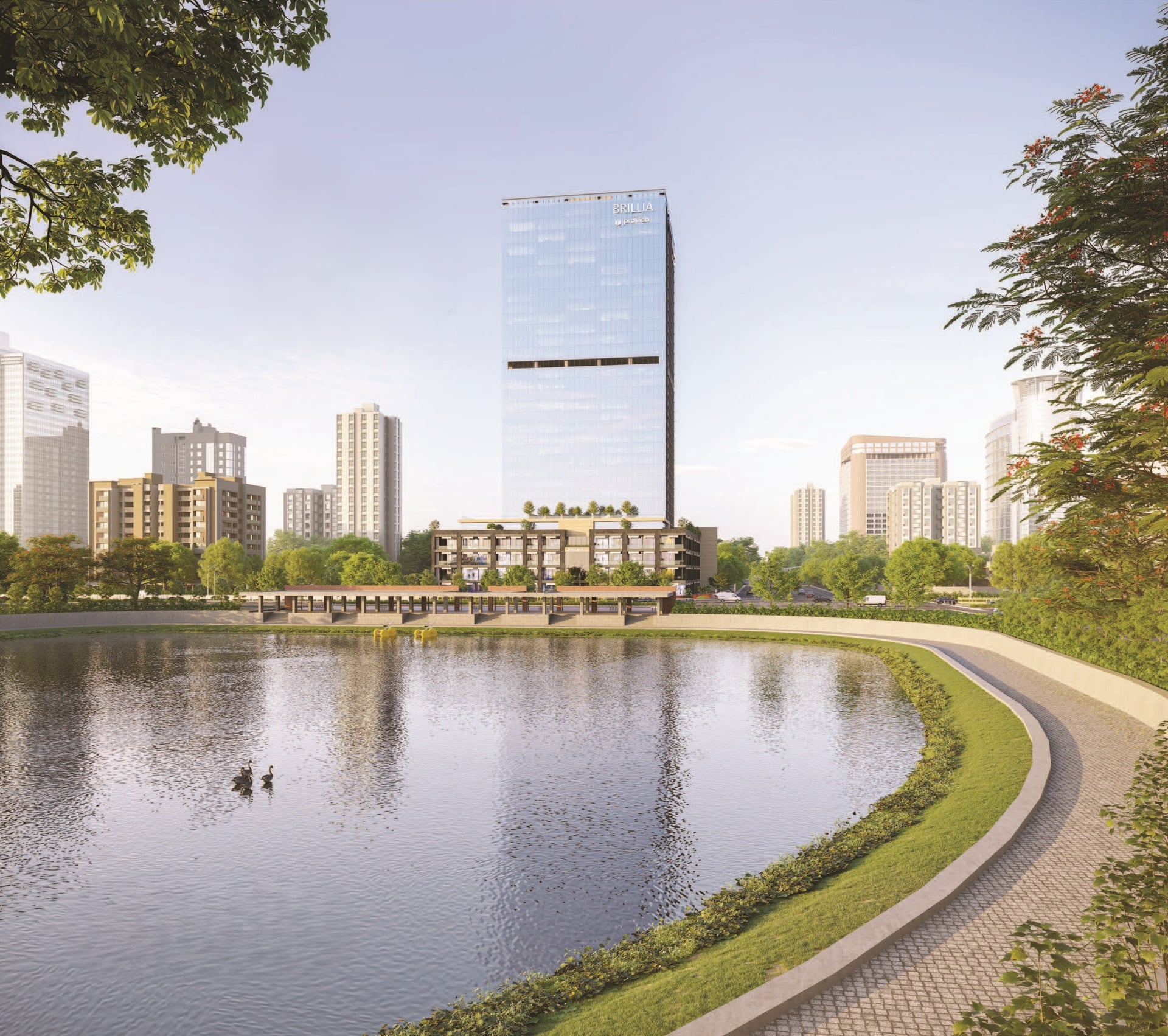
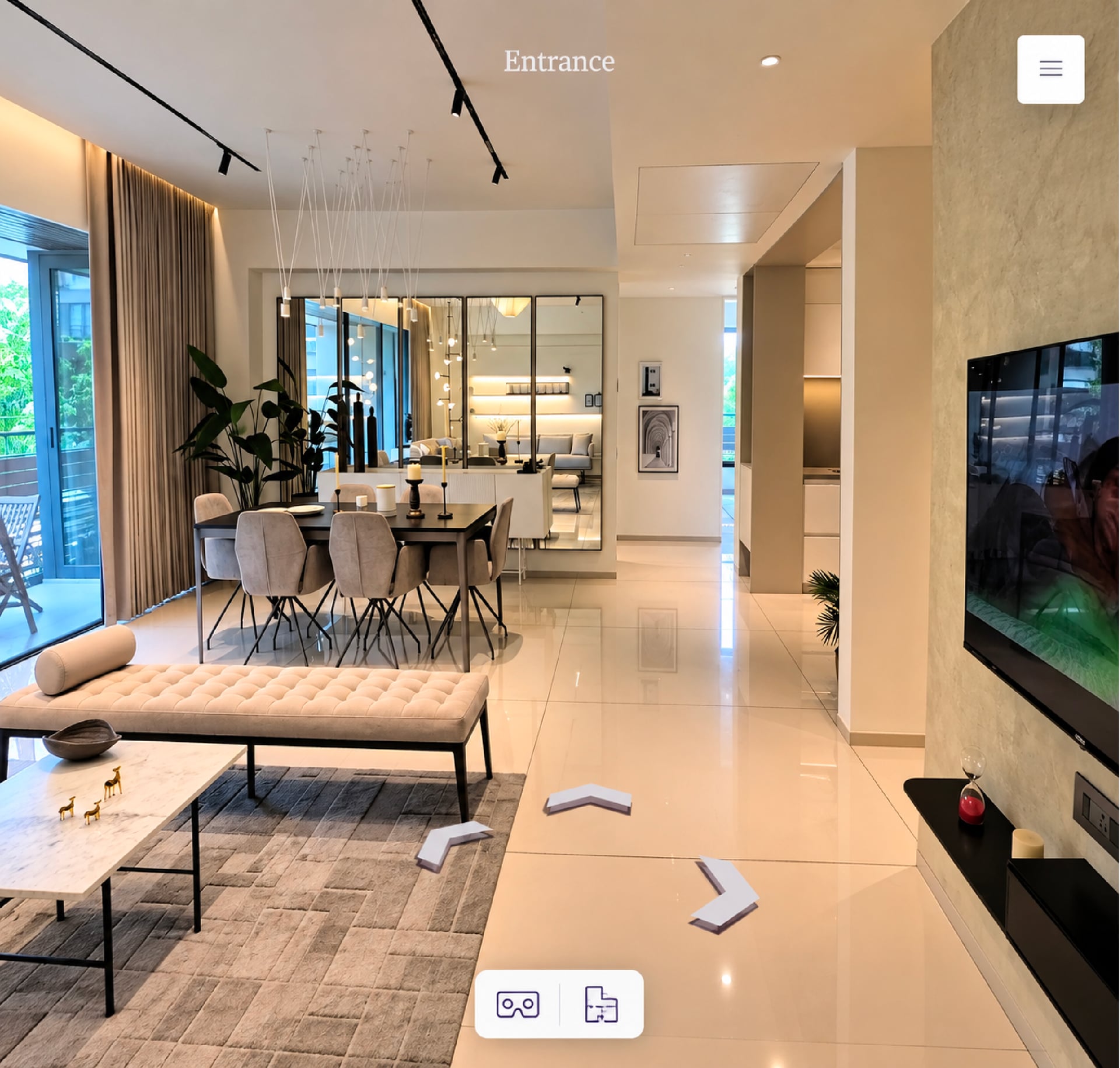
A commercial property is real estate used for business purposes — not for living. It includes shops, offices, warehouses, malls, hotels, and showrooms. People do not stay in these properties. Instead, businesses rent them and pay you rent every month.The big difference? Commercial property gives you 6% to 11% rental yield every year. A normal flat gives only 2% to 4%. That is 2 to 4 times more income from the same money invested.In this guide, we will cover all the details you need to know about commercial real estate properties, how they differ from residential homes, and how you can get started in commercial investing.What is Commercial Real Estate?To define it simply, what is commercial real estate? It is real estate used exclusively for business or income-generating purposes. Unlike residential properties where people live, a commercial building is designed to host businesses, provide services, or manufacture goods.A commercial property is a type of real estate used for business. People do not live in it. Instead, companies use it to run shops, offices, or services. These spaces are made to help businesses work and earn money. When you invest in commercial property, you rent it to a business. The business pays you rent to use the space. This can include small shops, offices, or large warehouses. The goal is to earn regular income from the property.Types of Commercial Property for Real EstateThe market is vast, and there are different Categories of Commercial Real Estate that you should know about. Depending on your budget and risk appetite, you can choose from these types of commercial property:Office Spaces: This includes everything from single-tenant professional offices (like a dentist's clinic) to large, multi-story skyscrapers in busy financial districts like the SG Highway in Ahmedabad.Retail Spaces: These are properties where businesses sell goods directly to consumers. Examples include shopping malls, strip centers, independent retail shops, and supermarkets.Industrial Properties: Usually located outside city centers, these properties are used for manufacturing, production, or logistics. Warehouses and distribution centers are highly popular right now due to the rise of online shopping.Multifamily Complexes: While single-family homes are residential, large apartment buildings or housing complexes are often classified as commercial because they exist solely to generate rental income for the owner.Special Purpose Properties: These are spaces built for a very specific use, such as hotels, hospitals, car washes, or schools.Commercial Property vs Residential Property ComparisonFeatureCommercial PropertyResidential PropertyPrimary PurposeBusiness, trade, income generationLiving space for familiesRental Yield6–12% per annum2–4% per annumLease Length3–10+ years (with lock-in)11 months to 1 yearTenant TypeBusinesses (professional, stable)Individuals / familiesMaintenance CostOften paid by tenant (Triple Net)Usually paid by landlordGST Applicable?Yes — 18% GST on rent if turnover > ₹20LNo GST on residential rentVacancy RiskModerate — longer to re-let if vacantLow — quick to find new tenantInitial InvestmentHigher (₹30L to ₹5 Cr+)Lower (₹15L to ₹1 Cr)Capital AppreciationSlower but stronger in long termFaster early appreciationRERA CoverageYes (commercial projects registered)Yes (all residential projects)Home Loan Available?Commercial Loan / LAP (LTV 60–70%)Home Loan (LTV up to 80–90%)Loan Interest Rate9.30% – 12% p.a.8.0% – 9.5% p.a.Loan Tenure10–15 years (max)20–30 yearsWhy Buy Commercial Property in Gujarat in 2026?Gujarat is one of the fastest-growing states in India. The state has strong industries, a business-friendly government, and a growing population. Here is why now is a great time to buy commercial property:Higher Rent, Stable Income: Commercial tenants sign 5 to 10 year leases with 5% yearly rent increase.Make in India Push: Sanand, Dholera, and Mundra are creating massive industrial demand.GIFT City Boom: India's only operational International Financial Service Centre (IFSC).Vande Bharat & Bullet Train: New high-speed corridors are pushing land value across Gujarat.Tax Saving: You get unlimited interest deduction under Section 24b for rented commercial property.Benefits of Investing in Commercial PropertyWhy are so many people shifting their focus to this sector? The benefits of investing in commercial property are significant compared to traditional residential options.Firstly, you get a much higher rental yield. While a flat might give you 2-3% return, a shop or office can easily provide 6-9%. Secondly, you deal with professional tenants. Commercial property investors prefer business tenants because they maintain the property well to keep their brand image high. Lastly, you get the benefit of "Triple Net Leases," where the tenant often pays for the maintenance, insurance, and taxes, leaving you with pure profit.How to Calculate Commercial Property Rental YieldRental Yield Formula:Gross Yield (%) = (Annual Rental Income ÷ Property Purchase Price) × 100Example: If you buy a commercial office for ₹1 Crore and earn ₹7 lakh per year in rent:Yield = (₹7,00,000 ÷ ₹1,00,00,000) × 100 = 7% Gross YieldCommercial Property Loan in Gujarat 2026 — Everything You Need to KnowMost buyers do not have ₹1 Crore or ₹5 Crore in cash. So you take a commercial property loan (also called Loan Against Property or LAP). The bank gives you 50% to 70% of the property value, and you pay it back over 10 to 15 years.Latest Interest Rates (2026)Bank / LenderInterest RateMaximum LTVMaximum TenureSBI9.50% – 11.25%75%10 yearsHDFC Bank9.40% – 11.50%70%15 yearsBajaj Housing Finance9.30% onwards75%15 yearsICICI Bank9.50% – 12.00%70%15 yearsAxis Bank9.75% – 12.50%65%15 yearsLIC Housing Finance9.50% – 11.75%70%15 years(Rates change based on your credit score, income, and property type. Always compare 3 to 4 lenders before choosing.)Documents You Need:PAN Card and Aadhaar CardSalary slips for last 3 months (if salaried)ITR for last 3 years (if self-employed)Bank statements for last 6 monthsProperty documents (Sale deed, RERA certificate, OC, Approved plan)Photos and KYC papersPre-Leased Commercial PropertyA pre-leased commercial property is one that already has a tenant in place when you purchase it. From Day 1 of ownership, you begin earning rental income. Why Pre-Leased Properties Are Popular in GujaratImmediate Income: Rent starts from possession. No waiting period.Known Yield: You know the exact return before purchase (rent / price × 100).Bank Loan Advantage: Banks are more willing to finance pre-leased properties because the income stream is proven.Tenant Quality: Pre-leased properties in Grade A buildings tend to have large, creditworthy corporate tenants (IT companies, banks, MNCs).Always check the remaining lease term. If you buy a pre-leased property with only 6 months left on the lease, you immediately face releasing risk. Ideally, look for 3+ years remaining on the lease with a renewal option.Factors to Consider Before Investing in Commercial PropertyTo succeed, you cannot just buy any building and hope for the best. You need to do deep research. Here are the main Factors to Consider Before Investing in Commercial Property:Location and Infrastructure For retail and office spaces, foot traffic, visibility, and parking are critical. A great building in a bad location will stay empty. In Gujarat, check for proximity to major highways or metro stations.Market Demand Research what types of spaces are in demand in your target city. Are companies looking for big office floors, or is there a shortage of warehouse space? Knowing the commercial property trends in your local area will save you from making a bad investment.Property Quality and Verification Always check the legal background. To save money and avoid legal trouble, look for developers or platforms that offer zero brokerage and 100% verified properties. This ensures your capital is safe and your initial costs stay low.The Legal Aspect of Commercial Property Before signing any papers, you must understand the Legal Aspect of commercial property. This includes checking the title deed, ensuring the land is "Non-Agricultural" (NA), and verifying that the building has a proper "Occupancy Certificate" (OC) from the local municipal corporation like AMC or GUDA.Legal Framework — RERA, Stamp Duty & GST in GujaratRERA Gujarat — What Investors Must KnowThe Real Estate (Regulation and Development) Act, 2016 applies to both residential and commercial real estate projects. Under Gujarat RERA (GujRERA), any commercial project with more than 500 sq meters or 8 units must be registered before sale.As a buyer, always verify:GujRERA registration number of the projectDeveloper's track record and delivery history on the GujRERA portalThat no fund diversion has been flagged against the projectExpected completion date and penalty clauses for delayRead More: What is Stamp duty And Registration Charges In GujaratCheck RERA Gujarat: Visit gujrera.gujarat.gov.in to verify any commercial project before investment. RERA-registered projects offer legal protection, escrow fund safety, and grievance redressal rights.Stamp Duty on Commercial Property in GujaratChargeRate in GujaratOn What Value?Stamp Duty4.9% (Urban areas)Higher of agreement value or jantri (circle) rateRegistration Fee1%Property value (capped at ₹30,000 in some cases)Note: Stamp duty rates in Gujarat can change with the state budget. Always verify current rates on the official Gujarat Registration portal or consult a property legal expert before finalizing your purchase.GST on Commercial Property in Gujarat, IndiaThe Goods and Services Tax (GST) applies differently depending on the transaction type:Purchase of under-construction commercial property: 12% GST (can claim ITC if registered business)Purchase of completed / ready-to-move commercial property: No GST if OC is obtainedCommercial rental income: 18% GST on rent if the landlord's annual rental income exceeds ₹20 lakh (GST registration mandatory)Note: If you are a registered business renting commercial space, you can claim Input Tax Credit (ITC) on the GST paid on rent, reducing your net cost.Other Key Legal Documents ChecklistDocuments Checklist Before BuyingTitle Deed (clear ownership chain)RERA Registration CertificateEncumbrance Certificate (no pending loans)Approved Building Plan (from AMC / GUDA)Occupancy Certificate (OC)NA Order (for land-based properties)Latest Property Tax ReceiptsSociety NOC (if applicable)Fire Safety Certificate (for buildings over 15m)Index 2 Copy (for verifying past sale records)The Future of Commercial PropertyThe future of commercial property looks very bright, especially in developing states like Gujarat. With the government pushing for "Make in India" and the rise of the startup culture, the demand for quality workspaces is only going to go up. We are seeing a shift where even small-scale investors are now looking to purchasing commercial property because it offers a shield against inflation. As the economy grows, so does your rent.Current Market Trends In Commercial PropertyTo make smart investments, you have to stay updated on how the market is changing.The Rise of Co-working Spaces: Traditional office leases are changing. Many companies now prefer flexible, shared workspaces rather than signing 10-year leases for empty floors.E-commerce Boom: Because people buy so much online, the demand for industrial warehouses and logistics hubs has skyrocketed.Sustainability: Businesses want eco-friendly buildings. Spaces that use solar power and have green certifications attract better tenants.Retail Evolution: Malls are turning into "experience centers" with more food courts and entertainment zones to compete with online shopping.The Commercial Property Transaction ProcessIf you are new to this, the commercial property transaction process might seem scary, but it is manageable if you follow these steps:Identification: Find a property that matches your budget and goals.Due Diligence: Check all legal documents and pending dues.Letter of Intent (LOI): Express your interest in purchasing commercial property formally.Agreement to Sell: A legal document stating the terms of the commercial property purchase.Registration: Paying the stamp duty and registering the deed at the sub-registrar's office.Pros and Cons of Investing in Commercial Real EstateThe Pros:High Earning Potential: Commercial buildings simply pay more rent than residential ones.Longer Leases: You don't have to look for a new tenant every year. A 5-year or 10-year lease gives you peace of mind.The Cons:Large Upfront Costs: A commercial property purchase is expensive. You need significant capital.Long Vacancy Periods: If a business moves out, it might take several months to find a new company to take over the space.Complex Rules: When investing in commercial property, you need to know about zoning laws and safety regulations.Exploring REITs for Investing in Commercial PropertyWhat if you want to invest in commercial property, but you do not have millions of rupees to buy an office building? This is where REITs come in.REIT stands for Real Estate Investment Trust. It works very much like a mutual fund. You can buy shares of a REIT on the stock market. Your money is pooled with other investors to buy large spaces like malls or tech parks. The REIT collects the rent and pays it to you as a dividend. It is the easiest way to start investing in commercial property without managing tenants yourself.Top Locations in Gujarat By Savitar RealtyIn Gujarat, the "Golden Triangle"—comprising Ahmedabad, Gandhinagar, and GIFT City—has emerged as the powerhouse of growth.Ahmedabad (SG Highway) The SG Highway area has transformed into a corporate corridor. A standout project here is Brillia, which offers a sophisticated business environment for companies.Gandhinagar (The New Tech Hub) Areas like Kudasan are booming. DHS Epitome in Kudasan is a prime example, offering high-quality office spaces that cater to the modern workforce.GIFT City (India’s Global Financial Gateway) As India’s first operational smart city, GIFT City is in a league of its own. Shilp Centrica provides the premium retail and office infrastructure needed to thrive in this high-tech financial hub.How Savitar Realty Helps You Buy Commercial Property SafelyBuying commercial property is a big financial decision. One wrong move can cost you years of savings. That is why working with the right partner matters.Here is what makes Savitar Realty the trusted choice for commercial property in Gujarat:Zero Brokerage Deals: Pay no commission to us. Save lakhs on every deal.100% Verified Listings: We check every document, every approval, every RERA registration.360° Virtual Tours: Shortlist properties from your home or anywhere in the world.End-to-End Support: From shortlisting to loan approval to registration — we handle everything.Documents & Legal Help: No hidden surprises. We guide you through every paper.Award-Winning Trust: Adani Realty Power Achiever, Outstanding Contribution by STC, Addor Group, and Rashmi Group.Featured Commercial Projects by Savitar Realty:Brillia (SG Highway) — Premium offices, showrooms & retailThe Balcony (Opp. GIFT City Metro) — Strategic location for GIFT City growth👉 Browse All Verified Commercial Properties in AhmedabadFrequently Asked Questions (FAQ)What is commercial property and how is it different from residential property?Commercial property is real estate used for business — offices, shops, warehouses, hotels — to earn rental income. Residential property is used as a home. Commercial property in Gujarat gives 6% to 11% rental yield, while residential gives only 2% to 4%. Lease periods are also longer (3 to 10 years vs 11 months).2. What is the rental yield on commercial property in Gujarat in 2026?Commercial property in Gujarat gives 6% to 11% gross rental yield. GIFT City offers the highest yields (8% to 11%), followed by SG Highway (7% to 9%) and Prahlad Nagar (7% to 8%). Net yields are 1.5% to 2% lower after expenses.3. Is RERA applicable to commercial property in Gujarat?Yes. RERA applies to commercial projects in Gujarat with more than 500 sq metres of area or more than 8 units. All such projects must register with GujRERA. Always verify on gujrera.gujarat.gov.in before paying any money.4. Can NRIs buy commercial property in Gujarat?Yes. NRIs can buy commercial property in India (except agricultural land) without RBI approval. Payment must be through NRE/NRO accounts. Rental income can be sent abroad up to USD 1 million per year. GIFT City is the top NRI destination because of its IFSC tax benefits.5. What are the loan interest rates on commercial property in Gujarat in 2026?Commercial property loan rates in Gujarat range from 9.30% to 12% per year in 2026. Bajaj Housing Finance starts at 9.30%, while SBI charges 9.50% to 11.25%. Maximum tenure is 10 to 15 years, and LTV is 50% to 70%.6. How much stamp duty do I pay on commercial property in Gujarat?Stamp duty on commercial property in Gujarat is 4.9% plus 1% registration fee = total 5.9%. Unlike residential property, women buyers do NOT get a concession on commercial property — full 4.9% applies. 7. How is rental income from commercial property taxed?Rental income is taxed under "Income from House Property" (Section 22). You get a 30% standard deduction on net annual value (Section 24a) plus unlimited interest deduction on the loan (Section 24b). 18% GST applies if your annual rent crosses ₹20 Lakh. TDS of 10% is deducted by the tenant if rent crosses ₹2.4 Lakh per year.8. What is a pre-leased commercial property?A pre-leased commercial property already has a tenant when you buy it. Rent starts from day one. Always check that at least 3 years are left in the lease before buying. Pre-leased properties in Grade A buildings often have IT companies, banks, or MNCs as tenants.9. Which is the best area to buy commercial property in Ahmedabad?The top areas are SG Highway (Grade A offices), GIFT City (highest yields, IFSC), Prahlad Nagar (mid-size offices), Sindhu Bhavan Road (retail), CG Road (legacy hub), and Changodar/Bavla (warehouses). Choose based on your budget, target tenant, and yield goal.10. How much capital gains tax do I pay when I sell commercial property?If you sell within 24 months of purchase, gains are taxed as Short-Term Capital Gains (slab rate, up to 30%). After 24 months, Long-Term Capital Gains are taxed at 12.5% (without indexation) post-July 2024. Save LTCG tax by reinvesting in NHAI/REC bonds (Section 54EC) within 6 months — up to ₹50 Lakh.
06 May 2026
128 views
Property registration in Gujarat requires specific paperwork. Index 2 is one of the most important documents you need. Banks and lawyers require it to verify your real estate purchase.This guide explains what an index copy is and how to download index 2 online using official government portals.What is Index 2 (Index II)?People often ask what an index copy means. An Index 2 is a one-page official summary of a registered property transaction.A Sale Deed (Dastavej) is the main property contract. It often contains 50 pages. After you register this deed at the Sub-Registrar Office (SRO), the government creates a short summary. This summary is your Index II.Note: Many people confuse Index 2 with the actual Sale Deed, but they are not the same. Index 2 is just the one-page summary — your original Dastavej is still the main legal document, so never throw it away.Importance of Index 2 in Real Estate TransactionsThis document serves as legal proof of registration. It confirms the transaction took place and stamp duty was paid.Note: Always keep at least 3-4 photocopies of your Index 2 along with the original. You will need fresh copies every time you apply for a home loan, sell the property, or update your municipal records.What is an Index II Document in Home Loans?Banks make this document mandatory for home loan processing. A loan officer cannot read every 50-page sale deed. The Index 2 provides all the transaction facts on one page for quick loan approval.3Note: Most banks accept only the certified Index 2 copy from iORA, not the free Garvi printout. Apply for the certified version at least one week before submitting your home loan file to avoid last-minute delays.What Does an Index 2 Look Like?The document is a simple printed table or PDF. The official heading reads Index-2 Details (અનુક્રમણિકા-2 નકલ ની વિગત).Here is exactly what the Index 2 Certificate in Gujarat displays:Detail CategoryWhat It ShowsDocument TypeSale Deed, Gift Deed, Lease, etc.Transaction ValueThe final sale price of the property.Parties InvolvedThe full names of the buyer and seller.Property DetailsAddress, survey number, and plot size.Registration DetailsThe execution date, document number, and SRO name.Note: Check every detail on your Index 2 carefully — name spelling, survey number, and property area. Even a small typing mistake can block your home loan or create big legal issues during resale.Index II vs. Sale Deed (Dastavej)Buyers often confuse the different property documents. The table below breaks down the exact differences:DocumentPrimary PurposeLegal Proof of Ownership?LengthSale Deed (Dastavej)The main legal contract contains all rules of the purchase.Yes (Primary Proof).20 to 50+ pages.Index 2A government summary of the property transaction details.No (Only proves registration).1 to 2 pages.Index 1An alphabetical list of the names of the people who registered documents.No.Varies.Note: Index 2 alone is not enough to prove you own the property. Always store your original Sale Deed (Dastavej) safely in a bank locker, because losing it means a long police FIR and court process to get a duplicate.What Details Are Required to Download the Document?You must gather four details before you search online. To learn how to get index copy online property registration gujarat, keep these ready:Registration Year: The year of the property transaction.SRO Name: The specific Sub-Registrar Office (e.g., Ahmedabad SRO 4).Document Number: The registration number found on your Dastavej.Property Details: The district, taluka, village, and survey number.Note: If you do not remember your document number, check your old registration receipt or the first page of your Sale Deed. Without the correct document number and SRO name, the portal will show zero results.How to Download Index 2 Online in GujaratYou can perform an index 2 property document download through two official websites. Here is a quick comparison of which method you should choose:FeatureGarvi Portal (Method 1)iORA Portal (Method 2)Primary UseQuick checking and personal records.Home loans and official legal use.Document TypeBasic PDF view.Digitally certified copy.CostFree.Basic government fees apply.SpeedInstant (2 minutes).24 to 72 hours.Method 1: Garvi Gujarat Portal (Free View)Use the Garvi portal to view records or save a basic PDF. This is the easiest way to get an index copy online in gujarat pdf.Visit the official website: garvi.gujarat.gov.inClick the Index2 Details button.Select your search criteria (by Document Number or Property Details).Enter your District, SRO office name, Year, and Document Number.Enter the captcha code and click search.The screen will display your record. Click the print or download button.Method 2: iORA Portal (Certified Copy)Banks require a certified copy with a digital signature. You must use the iORA portal to download a certified index 2 in Gujarat.Visit the official website: iora.gujarat.gov.inClick Online Certified Document Copy (IORA).Enter your name, mobile number, and email.Enter the property registration details and document number.Pay the online government processing fee.The system will generate a certified copy download link for you.How to get an index copy of property in AhmedabadThe online steps are identical. Use Garvi or iORA. Select "Ahmedabad" as your district and choose your specific SRO. If you need a dastavej copy online near ahmedabad for a property registered before 2007, you must visit the local SRO offline.Note: Use the Garvi portal only for personal viewing or quick checks. For any official work like home loans, property resale, or court matters, always download the certified Index 2 copy from the iORA portal.Fees, Timelines, and VerificationWhat is the charge of index copy in Gujarat?The costs depend on the portal you use:Service TypePortal UsedStandard Government FeeBasic View / Public SearchGarvi Gujarat₹0 (Completely Free)Certified Digital CopyiORA Gujarat₹50 (Index Fee) + ₹10 (Per Page Folio Fee)How can I verify the authenticity of Index 2?Certified copies from iORA contain an official digital signature. You can also cross-check the document number using the free Garvi search to ensure the details match the government database.Note: A real certified Index 2 will always have a digital signature and a unique QR code or reference number. If your copy is missing these, it is not valid for legal or banking use.Frequently Asked QuestionsCan I download my Index 2 online?Yes. You can use Garvi for a free view or iORA for a paid certified copy.How to get 7/12 copy online in Gujarat?Index 2 is strictly for property sales and deeds. To download 7/12 land records, you must use the AnyROR Gujarat portal instead of Garvi.How to get an index copy in English online?Historical property records in Gujarat are typed in Gujarati. The online portal menus are in English, but the actual data inside older documents is Gujarati. You must hire a certified legal translator if you need an English version for a visa or out-of-state bank.Does Index 2 show property encumbrances?No. Index 2 only shows the facts of one specific sale. You need to apply for an Encumbrance Certificate (EC) to check for active property loans or legal problems.Is Index 2 certified copy on Landeed?Landeed is a private, third-party app. For official and legally valid documents, always use the government portals (Garvi and iORA).Is Index 2 legal proof of property ownership in Gujarat?No. Index 2 only proves that your property is registered with the government. Your original Sale Deed (Dastavej) is the actual ownership proof — Index 2 is just a one-page summary of it.What should I do if I lost my Index 2 copy?Don't worry. Your record is permanently saved in the government database. Visit Garvi for a free copy, or iORA for a new certified copy, using your document number, registration year, and SRO name.Does Index 2 expire or have a validity period?No, Index 2 never expires. It is a permanent government record. However, banks usually ask for a freshly downloaded certified copy (less than 90 days old) for home loan approval.How long does it take to get Index 2 after property registration?Index 2 is usually generated within 1 to 3 working days after your Sale Deed is registered at the SRO. Once it appears, you can download it for free from the Garvi portal.
28 Apr 2026
467 views
Buying a home is a major life decision. To attract buyers, a broker or builder will often pitch a highly tempting offer: the emi till possession scheme. But is it really as good as it sounds?The short answer is no. For the average buyer, the risks heavily outweigh the benefits. If the builder delays the project or stops paying the bank, the financial and legal burden falls entirely on you.Let us dive deep into the facts. We will explore how this system works in India, why experts warn against it, and what safer choices you have to protect your hard-earned money.What is the no EMI until possession scheme in real estate?If you are asking, What is the zero EMI till possession scheme all about?, here is the simple truth.Also known as a subvention scheme, it is a tripartite (three-party) agreement between you (the buyer), the developer, and the bank. It usually works on a 20:80 financial model. You pay 20% of the property cost upfront as a down payment. The bank then pays the remaining 80% directly to the builder.During the construction phase, the builder promises to pay the interest (the EMI) to the bank on your behalf. You are told that you will only start paying your own EMIs after you receive the keys to your new house.What is Pre-EMI vs. No Pre-EMI? A Guide for HomebuyersMany buyers confuse different loan payment terms. To make the best financial choice, you must know the difference between a standard pre emi till possession plan and a no pre emi till possession offer.Here is a simple breakdown:FeaturePre-EMI Till PossessionNo Pre-EMI Till PossessionBasic MeaningYou only pay the interest portion of your loan until the home is built.The builder pays the interest portion to the bank until possession.Who Pays?The homebuyer pays every month.The builder is supposed to pay.Fund ReleaseThe bank releases money in stages based on construction progress.The bank often gives a large chunk of money to the builder upfront.Risk LevelLow to Medium. You control your payments and monitor the build.High. You rely completely on the builder's honesty and financial health.Is no pre-EMI good? On paper, saving money during the construction phase looks great. But if the builder defaults, that temporary saving turns into a long-term financial nightmare.Note: Always read the loan agreement and builder contract line by line before signing. The promise of "no EMI till possession" is usually verbal, but the actual legal paper may have a fixed cut-off date that the builder will not tell you upfront.No EMI till possession scheme: 5 reasons why homebuyers should think twice1. Project delaysThe biggest problem in Indian real estate is project delays. When builders pitch this scheme, the fine print usually says they will pay the EMI for a fixed period (for example, 24 or 36 months). If the project takes 48 months to finish, the builder's responsibility ends at month 36. From month 37, you must pay the home loan EMI plus your current house rent. This double burden can easily destroy a family's monthly budget.Note: Before booking, check the project's RERA registration and approval status on the official Gujarat RERA website. Even reputed builders face 2-3 year delays, so never trust the promised possession date as final.2. Loan liabilityNever forget: the bank approved the loan based on your salary and your credit history. If a developer defaults and stops paying the bank, the bank still comes after you. The loan is in your name, and the bank legally demands the money from you. The builder's failure does not cancel your debt.Note: Remember that the home loan is taken in your name, not the builder's. No matter what scheme the builder offers, the bank will always recover unpaid EMIs from your salary, savings, or CIBIL profile — never from the developer.3. EMIs often start before possessionBuilders use clever wording. They might promise "No EMI till possession," but the legal contract actually states a specific cut-off date. Once that date hits, you must pay the EMIs. You end up servicing a massive loan for a property you cannot even live in yet.4. False sense of affordabilityThis scheme is a massive lure. Because you do not have to pay anything right away, you might book a much more expensive home than you can truly afford. People often ignore a standard No EMI till possession calculator because the immediate zero-payment offer blinds them. When the real EMIs finally start, the monthly shock can lead to personal bankruptcy.5. Regulatory red flag (RBI ban)The Reserve Bank of India (RBI) recognized how dangerous this is for buyers. The RBI issued strict warnings to banks, advising them to stop funding pure subvention schemes where builders get all the money upfront. You can read more about safe banking practices on the official Reserve Bank of India website. If a developer heavily pushes an upfront payment scheme today, it is a huge regulatory red flag.How can builder defaults affect the homebuyer in this scheme?How can builder defaults affect the homebuyer in this scheme? It creates a devastating domino effect on your financial life.If the developer stops paying the bank, the bank immediately expects you to cover the missing installment. Miss an EMI? The consequences are instant and severe.CIBIL score: Do missed EMIs on delayed real estate projects affect your credit rating? Yes, absolutely. Even if the builder is the one who technically missed the payment, your CIBIL score takes the hit because the loan account belongs to you. A ruined credit score means you will face massive hurdles getting any future loans, credit cards, or even favorable interest rates. You can verify how missed payments affect you on the official CIBIL website.Furthermore, if you simply cannot afford to pay the sudden EMI, the bank will take legal action. This brings up a common question: Is it safe to buy property under the Sarfaesi Act? The SARFAESI Act gives Indian banks the power to recover bad loans swiftly. If your home loan becomes a Non-Performing Asset (NPA) because of unpaid EMIs, the bank can auction the property to recover their funds. You lose the house, you lose your initial down payment, and your credit is destroyed.Note: Even one missed EMI can drop your CIBIL score by 50-100 points, and recovery takes 12-24 months of regular payments. A bad credit score means future loans for a car, business, or even another property will be rejected or charged at higher interest.What are safer alternatives to the 'No EMI Till Possession' scheme?If you are wondering, Is the No EMI Till Possession Scheme a Scam?, it is not legally a scam, but it is a highly toxic financial trap. So, what should homebuyers do? What are safer alternatives to the 'No EMI Till Possession' scheme? Here are the smartest, expert-approved paths to buying your dream home:1. Construction-Linked Payment Plan (CLP)This is the safest way to buy an under-construction property. The bank releases funds to the builder only when specific construction milestones are reached (like finishing the foundation or the 3rd-floor slab). You only pay interest on the small amount disbursed. This forces the builder to work fast to get the next payment.2. Standard Pre-EMI PlansTake full control of your finances. Pay your own interest during the construction phase. You will know exactly what your monthly cash outflow is, and you will never face a sudden, unexpected EMI shock from a defaulting builder.3. Buy Ready-to-Move PropertiesThe absolute safest option is to buy a completed home. You can inspect the final product, take the loan, and move in immediately. You start paying your EMI right away, but you completely eliminate your monthly rent. There is zero risk of project delays.Follow the 20/30/40 RuleBefore booking any property, apply strict financial discipline. What is the 20/30/40 rule for buying a house?20: Always pay at least 20% of the home's value as your own down payment.30: Your total monthly EMIs should never cross 30% of your in-hand monthly income.40: The total cost of the house should ideally not exceed 40% of your total projected life earnings.Sticking to this rule ensures true affordability, regardless of what marketing tricks a broker uses.Note: Stick to this rule even when the bank approves a much higher loan amount. Banks calculate based on your gross salary, but real life expenses like school fees, medical bills, and emergencies can quickly break a stretched budget.Frequently Asked Questions (FAQ)To cover all the details, let us answer the most common queries Indian buyers search for regarding this topic.What is a “No EMI Till Possession” Scheme?It is a financial arrangement where the buyer takes a home loan, but the real estate developer pays the interest to the bank until the property is handed over to the buyer.Buying Home: What Does “No EMI till Possession” Mean?It means you do not pay out-of-pocket monthly loan installments during the active construction phase. However, you still carry the full legal risk of the total loan amount.What is this scheme all about and what are the pros and cons of this zero EMI till possession scheme?The main pro is temporary cash flow relief while you pay rent. The cons are massive: inflated property base prices, huge risk of builder default, danger to your CIBIL score, and the likelihood of paying EMIs before actually getting possession due to delays.What is the 'No EMI Till Possession' scheme?It is primarily a marketing tool used by builders to secure upfront funding from banks using the homebuyer's credit profile.Who benefits from the scheme?The builder benefits the most by getting immediate funds for construction. The bank benefits by securing a loan customer. The buyer takes on all the long-term risk.No emi till possession – is it worth the risk?Financial advisors universally agree that it is not worth the risk. The danger of losing your credit rating and getting trapped in a loan for an unfinished apartment is too high. Choose transparent, construction-linked plans instead to safely secure your dream home.Can I exit or cancel a No EMI Till Possession scheme later?Yes, but it is financially painful. You usually lose your booking amount, pay cancellation charges (often 10–15% of property value), and must foreclose the home loan with all accrued interest paid in full.Can I claim income tax benefits during the No EMI period?No. You cannot claim tax deduction on interest paid by the builder on your behalf — only EMIs paid from your own pocket qualify under Section 24(b). Principal repayment benefit under Section 80C also starts only after you take possession of the property.What happens if the builder goes bankrupt during the scheme?You are still 100% liable for the home loan because it is in your name, not the builder's. The bank can demand the EMIs from you, hurt your CIBIL score, and even auction the unfinished property under the SARFAESI Act.What key clauses should I check in the tripartite (subvention) agreement?Check four things: the exact subvention end date (not vague "till possession"), the builder's penalty clause for project delays, the loan disbursement schedule (must be construction-linked, not upfront), and a clear definition of "possession" (offer of possession vs. actual handover of keys).ConclusionFinding your dream home should be a moment of joy, not the start of a financial nightmare. While a broker might push the emi till possession scheme as a brilliant way to save money, a smart buyer must look past the shiny advertisement.When you ask, "no emi till possession – is it worth the risk," remember that your financial security is at stake. From ruined CIBIL scores to the stress of paying for a house you never receive on time, the hidden dangers are real. Protect yourself, choose safer payment alternatives, and always read the fine print before signing any real estate document in India.Secure Your Dream Home Safely with Savitar RealtyNavigating the complex real estate market in India can be risky, especially with hidden financial traps like the "No EMI till possession" scheme. You need a trusted, local expert who prioritizes your financial safety over a quick sale.Here is how Savitar Realty helps you make the smartest, safest property investment:100% Verified Listings: We thoroughly vet every property and check the builder's track record, so you never have to worry about stalled projects, legal red flags, or defaulting developers.Zero Brokerage Deals: Maximize your savings genuinely without falling for fake "No EMI" marketing traps. We offer completely transparent pricing with zero hidden fees.Expert Market Research & Analytics: We match you with properties that fit your actual budget and long-term goals, strictly following safe financial practices like the 20/30/40 rule.End-to-End Document Support: From helping you secure safe Construction-Linked Plans (CLP) to handling complex legal paperwork and bank loans, we guide you through every single step.Do not let a clever marketing gimmick put your hard-earned savings and CIBIL score at risk. Connect with the experts to find verified, secure, and beautiful properties today.Visit Savitar Realty to start your safe, transparent, and stress-free home-buying journey!
28 Apr 2026
136 views
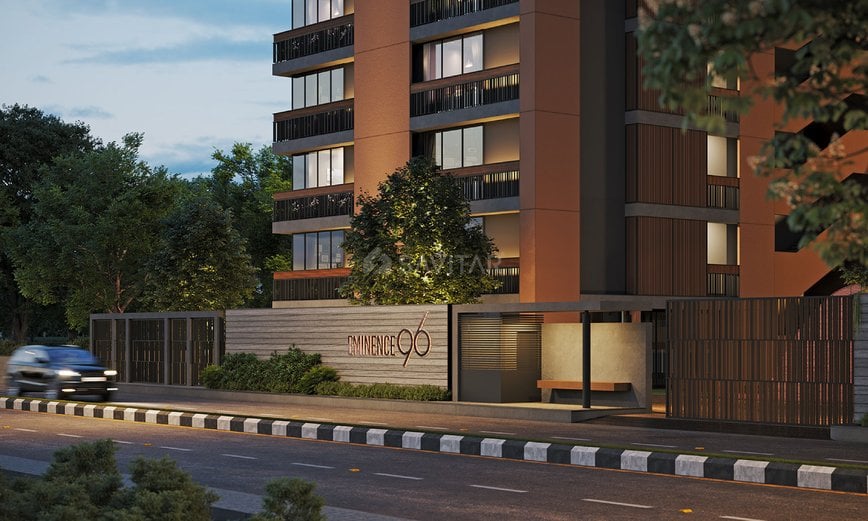
If you've been exploring the idea of buying a home in Ahmedabad, you need to look at Thaltej. Tucked in the western belt of Ahmedabad, Thaltej has quietly transformed from an outlying village into one of the city's most coveted upscale residential addresses — and it's done so without losing the calm, community feel that drew people here in the first place.Whether you're a young family hunting for space, a working professional wanting metro connectivity without the chaos of central Ahmedabad, or an investor eyeing long-term capital growth, real estate in Thaltej ticks an impressive number of boxes. Here's everything you need to know before making your move.Where exactly is Thaltej?Thaltej is a locality in the western suburbs of Ahmedabad, Gujarat, sitting close to the SG Highway. It shares its neighbourhood with Bodakdev, Sola, Science City, and Hebatpur, placing it at the intersection of residential calm and urban convenience.To give you a practical sense of distances from Thaltej:Science City — ~3 kmVastrapur Lake — ~4 kmIIM Ahmedabad — ~6 kmAhmedabad Airport — ~7 kmGIFT City, Gandhinagar — ~25 kmAhmedabad Railway Junction — ~10 kmIts transformation over the past decade has been remarkable. Once a rural settlement on the city's outskirts, Thaltej today stands as a modern residential area drawing families, NRIs, and investors in equal measure — a testament to how decisive infrastructure development can reshape a locality.Note: Before finalising any property in Thaltej, drive through the locality during morning and evening peak hours. The actual commute time to your workplace can be very different from what Google Maps shows, especially near SG Highway junctions.The Pros: 1. SG Highway ConnectivityThe Sarkhej-Gandhinagar Highway is the backbone of Thaltej's appeal. This major ring road puts virtually every significant part of Ahmedabad, Prahlad Nagar, Vastrapur, Bodakdev, and Gota within a short, comfortable drive. For professionals working in commercial spaces along the SG Highway corridor, the daily commute is genuinely manageable.Beyond the highway, SP Ring Road connectivity means seamless access to the city's outer belt, making cross-city travel less of a headache than in most Ahmedabad localities.2. Thaltej Metro ConnectivityThaltej has a dedicated station on the Ahmedabad Metro's Blue Line, linking it all the way to Vastral Gam. This is a significant quality-of-life advantage. Public transport in Ahmedabad has historically been car-dependent, and the metro changes that, entirely for Thaltej residents.The planned metro expansion from Thaltej toward Manipur will further strengthen the area's transit credentials. Experts estimate that properties within 500 metres of metro stations appreciate 20–30% faster than those without metro access, making Thaltej a smart bet for long-term value growth.Note: Always check the exact walking distance from your shortlisted project to the Thaltej metro station. Properties within 500 metres see faster price appreciation, but anything beyond 1 km loses most of the metro connectivity advantage.3. Top Schools Within ReachFamilies with children will find Thaltej genuinely well-served on the education front. Among the top schools in and around the locality:Zydus School for Excellence Ahmedabad International School EuroSchool, Vishwabharati, and Amrita Vidyalayam Lalbhai Dalpatbhai College of Engineering and IIM Ahmedabad 4. World-Class HealthcareZydus Hospital on SG Highway is one of Ahmedabad's most respected multi-speciality hospitals, and its location essentially at Thaltej's doorstep is a significant comfort factor for families. CIMS Hospital, also nearby, rounds out a strong healthcare infrastructure. For a residential area.Note: Zydus Hospital and CIMS are excellent for major treatments, but check the distance to nearby clinics and pharmacies for daily needs. Older family members often prefer easy access to local doctors over big multi-speciality hospitals.5. Retail, Dining & EntertainmentThaltej residents don't have to travel far for leisure. Acropolis Mall at the Thaltej Cross Road on SG Highway is a go-to for shopping and entertainment. Iscon Mega Mall, SG Mall, and Palladium Mall are all close by, ensuring a well-stocked lifestyle ecosystem. Add restaurants, multiplexes, and cafés along SG Highway and Bodakdev, and weekends here are genuinely enjoyable.6. Green Spaces and Recreational PocketsThaltej and its surroundings are generously dotted with parks — Hebatpur, Thaltej, and Someshwar Parks provide breathing room. Vastrapur Lake, just 4 kilometres away, is a beloved evening destination for walks and boating. Science City, roughly 3 kilometres from the heart of Thaltej, offers families an elevating weekend outing with its planetarium, IMAX theatre, and interactive exhibits.7. Diverse & Premium Housing StockFrom spacious 4 BHK apartments in Thaltej to luxurious villas and gated communities, the housing variety here is outstanding. Projects like Rashmi Sky ScapeThe SovereignKeshar KadamApricus 2 represents the range; from elegant mid-range apartments to ultra-premium penthouses with double-height lobbies and podium-level amenities. This is one of the few localities in Ahmedabad where families at different life stages can all find something that fits.Note: Always verify the RERA registration number of any project on the official Gujarat RERA website before paying the booking amount. Even reputed builders in Thaltej have faced RERA complaints, so this 2-minute check can save you years of trouble.Property Rates in ThaltejFor anyone looking to buy a home in Thaltej or invest in real estate in Thaltej, a clear-eyed understanding of pricing is essential.Residential apartment rates: ₹6,700–₹9,650 per sq. ft., with an average of approximately ₹7,850 per sq. ft.2 BHK apartments: ₹54 lakh to ₹1 crore3 BHK apartments: ₹1.15 crore to ₹2 crore4 BHK apartments: ₹2.5 crore to ₹8.5 crore+Luxury villas: ₹2 crore to ₹15 croreCommercial property: ₹10,000–₹15,000 per sq. ft.On the rental market front, 2 BHK apartments typically fetch ₹20,000–₹35,000 per month, while premium units command considerably more. Over the long view, flat rates in Thaltej have appreciated by over 30% in five years and 52% over ten years, making it a compelling hold for investors. Top Residential Projects Drawing Families to ThaltejHere are some of the most talked-about residential projects in Thaltej right now:Rashmi Sky Scape — spacious 4 BHK apartments with RERA registration, carpet areas ranging from 1,522 to 2,680 sq. ft.The Sovereign — ultra-premium 4 & 5 BHK apartments, super area from 6,014 to 10,201 sq. ft., priced between ₹4.34 and ₹8.5 croreApricus 2 — 4 BHK flats in a secured gated community with 24x7 security and round-the-clock power backupKeshar Kadam — luxurious 3 BHK project, offers a harmonious blend of premium amenities, captivating aesthetics.Eminence 96 — lavish 4 BHK apartments and 5 BHK penthouse duplexes at the posh location from the stretch of Baghban circle to Shilaj circle.Thinking about exploring verified listings in Thaltej with 360° virtual tours and expert guidance? We at savitar realty have curated a hand-picked collection of projects in the area — browse, compare, and connect with our team at your convenience.Note: Do not rely only on the builder's brochure or sample flat. Visit the actual project site, talk to existing residents in nearby completed projects by the same builder, and check construction quality before paying any token amount.Who Is Thaltej Best For? Not every locality suits every buyer. Here's an honest read on who Thaltej is a natural fit for — and who might want to look elsewhere.Young families will feel most at home here. The density of top schools, Hospitals, gated community options, and park-dotted surroundings make Thaltej one of the most family-ready localities in Ahmedabad. NRIs and returning professionals find Thaltej particularly attractive. The combination of premium housing stock, strong security standards in most gated projects, and proximity to GIFT City (around 25 km) makes it a natural landing point. The ability to tour projects through 360° virtual walkthroughs before physically relocating is a genuine advantage at this stage.Long-term investors benefit from Thaltej's proven appreciation track record — 30% over five years, 52% over ten years — and the upcoming metro expansion that is expected to push values in transit-adjacent properties higher over the next 3–5 years. Working professionals on SG Highway enjoy perhaps the best commute of any residential area in Ahmedabad. If your office is in one of the commercial spaces along the SG Highway corridor — corporate parks, IT zones, pharma company offices — you can live in a premium locality and walk or drive a few minutes to work.Who should look elsewhere: If you primarily work in the old city, Maninagar, or Naroda, the commute from Thaltej can be genuinely tiring during peak hours. Budget-first buyers may also find better value in adjacent localities like Sola, Hebatpur, or Gota, where similar amenity access comes at ₹4,500–₹6,000 per sq. ft.The Cons:No locality is without its cons, and being honest about Thaltej's challenges is important.Traffic congestion: Udgam Circle is a noted traffic hotspot, and peak-hour congestion around SG Highway and internal roads can test patience. As more residential projects come up, this will need proactive infrastructure attention.Waterlogging during monsoons: Heavy rainfall can lead to waterlogging in and around parts of the locality — a common concern for many of Ahmedabad's western neighbourhoods. It's worth asking specifically about drainage infrastructure in any project you shortlist.Premium pricing: Thaltej is undoubtedly an upscale locality, which means entry costs are higher than in areas like Gota or Chandkheda. First-time buyers with tighter budgets may find they need to compromise on size or look at nearby localities like Sola or Hebatpur.Distance from the city centre: If you work in or around the old city, Ellis Bridge, or Maninagar, the commute from Thaltej can feel long during peak hours. The metro helps, but it's still a consideration.Infrastructure Development on the HorizonThaltej's future looks genuinely bright. The metro expansion toward Manipur — which will run alongside the railway line through Shilaj and connect to fast-growing areas like Bopal, Shela, and Ghuma — will open up commuting possibilities that make Thaltej even more central to western Ahmedabad's transit map.The Bodakdev ward's approved proposal for a new swimming pool and gymnasium complex (estimated at ₹10.36 crore) signals continued civic investment in the area's recreational infrastructure. Commercial spaces along SG Highway continue to attract major tenants, which sustains employment demand and keeps the rental market thriving. ConclusionFor families seeking a peaceful, well-connected residential area with strong schools, world-class healthcare, and a rich amenity ecosystem, Thaltej is hard to beat in Ahmedabad. The combination of metro connectivity, SG Highway access, proximity to Bodakdev and Science City, and a maturing luxury housing market make it one of Gujarat's most complete places to live.Yes, it comes at a premium — and traffic and monsoon flooding require consideration. But the long-term fundamentals are sound, and the quality of life on offer justifies the price tag for most buyers.Whether you're looking for a 4 BHK apartment in Thaltej to raise a family or a well-located flat as an investment, the area's consistent appreciation trajectory and infrastructure pipeline point firmly in one direction: upward.Ready to find your home in Thaltej? Explore our verified listings with immersive 3D walkthroughs, expert guidance, and end-to-end support — from home loans to documentation — at savitarrealty.com. Your next address is waiting.FAQsIs Thaltej a good place to buy a home in Ahmedabad? Yes. It offers direct metro access, SG Highway connectivity, top schools, and quality healthcare, making it one of western Ahmedabad's most well-rounded localities for families and investors.What are the current property rates in Thaltej? Apartments average around ₹7,850 per sq. ft. A 2 BHK starts from ₹54 lakh, 3 BHK from ₹1.15 crore, and 4 BHK from ₹2.5 crore. Prices have appreciated 30% over five years and 52% over ten years.How is the metro connectivity in Thaltej? Thaltej has a dedicated station on the Ahmedabad Metro's Blue Line connecting it to Vastral Gam. A planned extension toward Manipur will further strengthen westward connectivity once complete.What are the top schools and hospitals near Thaltej? Top schools include Zydus School for Excellence, Ahmedabad International School, and EuroSchool. For healthcare, Zydus Hospital and CIMS Hospital are both easily accessible from the locality.What are the main drawbacks of living in Thaltej?Peak-hour traffic congestion, monsoon waterlogging in some pockets, and premium pricing compared to nearby areas like Sola or Gota are the key concerns to factor in before buying.What is the rental yield in Thaltej for property investors?Thaltej offers a rental yield of around 2–3% annually, which is typical for upscale localities in Ahmedabad. A 2 BHK flat earns ₹20,000–₹35,000 per month, while a 3 BHK can fetch ₹35,000–₹70,000 depending on furnishing and project quality.Thaltej vs Bodakdev: Which is better for buying a home?Both are premium adjacent neighbourhoods. Bodakdev is older, more established, and slightly cheaper, while Thaltej offers a dedicated metro station, newer luxury gated projects, and direct access to SG Highway.Is Thaltej safe for families, women, and senior citizens?Yes. Residents rate Thaltej 4.3/5 on safety. The locality has multiple police stations nearby, well-lit streets, gated communities with 24x7 security, and a noticeably lower crime rate compared to central Ahmedabad.
20 Apr 2026
161 views
Buying a home is one of the most meaningful decisions in someone's life. Whether she is a working professional or a first-time buyer, owning property gives every woman financial security and independence.The good news is that the Gujarat government has introduced several rules that make it significantly easier and cheaper for women buyers in Gujarat to own property. If you are a woman planning to buy a home in 2026, this guide covers everything you need to know.What is Stamp Duty in Gujarat?Before we get into the benefits for women, let us first understand the basics. Stamp duty in Gujarat is a legal tax that the state government collects every time a property is bought, sold, or transferred.Think of it as a fee you pay to the government to officially become the legal owner of a house or piece of land. Without paying this tax, your property documents are not valid in any court of law.Along with stamp duty, you also have to pay property registration charges in Gujarat. These charges are collected to officially record your name as the owner in government records.Stamp Duty and Registration Charges in Gujarat For Women in 2026Here is the most important information every woman buyer needs to know. What is the current stamp duty rate in Gujarat for 2026?The standard stamp duty and registration charges in Gujarat for 2026 are:Basic stamp duty rate: 3.5%Surcharge: 1.4%Total standard stamp duty: 4.9% of the property valueStandard registration fee: 1% of the property valueNow here is where women buyers receive a real financial advantage.Read More: Stamp Duty and Registration Charges in GujaratFor a woman buyer:Stamp duty rate: 3.9% (a 1% concession on the standard 4.9% rate)Registration fee: 0% (completely waived)This means a woman buying a property worth Rs. 50 lakhs saves Rs. 50,000 on stamp duty alone, plus another Rs. 50,000 on the registration fee. That is a total saving of Rs. 100,000 just because of the gender concession.Stamp Duty Details in Gujarat (2026)Buyer CategoryStamp Duty RateRegistration FeeTotal ChargesMale Buyers4.9%1%5.9%Female Buyers3.9% (with 1% concession)0% (waived)3.9%Joint Buyers (Male + Female)4.9%1%5.9%As you can see, stamp duty concessions for women buyers in Gujarat make a significant financial difference. The government designed this policy to encourage more women to own property in their own names.Eligibility Criteria for Women BuyersNot every woman automatically gets the concession. There are specific rules that define who qualifies.Here are the eligibility criteria for women buyers who want to claim the stamp duty benefit in Gujarat:The woman must be the sole buyer or the primary buyer in the transaction.The property must be registered exclusively in the woman's name.The concession applies to all women, regardless of whether she is earning or non-earning.A housewife, working professional, retired woman, or self-employed woman—every category of woman is covered.If the property is jointly purchased by a man and a woman, the concession does not apply and the full 5.9% rate applies.The concession applies to residential properties. Commercial and agricultural property rules may differ.The bottom line is simple. If a woman buys property solely in her own name, she qualifies for the stamp duty concession in Gujarat without any additional conditions.Note: Many women lose this concession by adding a male family member as a co-owner thinking it will speed up the home loan. Discuss with your bank first — most banks happily approve loans where the property is in the woman's name and the male earner is the loan co-applicant.Additional Benefits for Women BuyersBeyond the direct stamp duty and registration savings, there are more additional benefits for women buyers to consider when purchasing property in Gujarat.Financial savings on large properties: As property values rise, the savings become larger. On a Rs. 1 crore property, a woman saves Rs. 2,00,000 compared to a male buyer.Better loan eligibility: Many banks offer home loans at a slightly lower interest rate when the property is registered in a woman's name. This adds to the overall financial benefit.Government housing schemes: Various central and state government housing schemes prioritize women as primary applicants, making it easier to access subsidized loans.Legal protection: Having property in a woman's name provides her with stronger legal and financial independence.Inheritance security: Property owned in a woman's name ensures her financial security and simplifies the inheritance process for her children.Note: Always ask your bank specifically about the women's home loan interest rate concession. Most banks in Gujarat offer 0.05% to 0.10% lower interest, but they do not announce it openly — you have to request it during loan application.How to Calculate Stamp Duty in Gujarat?Understanding how to calculate stamp duty and registration charges in Gujarat is essential before you finalize any deal.The government calculates stamp duty based on the higher of two values. First is the actual sale price agreed between the buyer and seller. Second is the Jantri rate, which is the minimum government-fixed price for that area.Formula of Calculating the Stamp DutyFor a woman buyer:Stamp Duty Amount: Higher Property Value x 3.9%Registration Fee: Nil (Rs. 0)For example, suppose a woman buys a flat in Ahmedabad for Rs. 60 Lakhs:Calculation StepDetailsHigher Property ValueRs. 60,00,000Stamp Duty (at 3.9%)Rs. 60,00,000 x 3.9% = Rs. 2,34,000Registration FeeRs. 0 (fully waived for women)Total Amount to PayRs. 2,34,000Compare this to a male buyer purchasing the same property. He would pay Rs. 2,94,000 in stamp duty plus Rs. 60,000 in registration fee, totaling Rs. 3,54,000.A woman saves Rs. 1,20,000 on the exact same transaction. That is money can be put toward interior work, furniture, or home loan down payment.How to Use the Stamp Duty CalculatorIf manual math feels confusing, do not worry. You can use a free online stamp duty calculator available on various property and government websites.Here is how to use the stamp duty calculator:Visit a trusted property portal or the official Garvi Gujarat Portal.Enter the property value.Select your buyer category as "Female."Enter your city, whether it is Ahmedabad, Surat, Vadodara, or any other.Click calculate.The tool instantly shows you the exact stamp duty in Ahmedabad or any other city for a woman buyer, with no manual math needed.Stamp Duty for Different Deeds in GujaratStamp duty on property in Gujarat is not just for buying a home. Different types of property transactions have different stamp duty rates.Here is what every woman buyer should know about stamp duty for different deeds in Gujarat:Type of DeedStamp Duty RateSale Deed (woman buyer)3.9% of property valueGift Deed (to close blood relative)1% of property valueGift Deed (to non-family member)4.9% of property valueRent Agreement (up to 1 year)1.4% of total yearly rentLeave and License Agreement1.4% (increases for longer terms)Gift Deed Stamp Duty in GujaratMany parents want to transfer property to their daughter as a gift. What are the stamp duty charges for a gift deed in Gujarat?If the transfer is to a close blood family member like a daughter, son, or spouse, the gift deed stamp duty in Gujarat is just 1% of the property value. This is a much more affordable option compared to a standard sale.Rent Agreement Stamp Duty in GujaratFor women who are not yet ready to buy and are currently renting, the stamp paper for rent agreement in Gujarat is a legal document you should always have made.The rent agreement stamp duty in Gujarat is 1.4% of the total annual rent. The leave and license agreement stamp duty in Gujarat works on the same principle and is mandatory for your legal protection as a tenant.Stamp Duty in Gujarat on Various Property TypesThe standard stamp duty concession for women applies mainly to residential transactions. Here is how stamp duty in Gujarat on various property types works:Property TypeRate for Women BuyerRate for Male BuyerResidential (flats, houses)3.9%4.9%Commercial (shops, offices)Standard 4.9% (concession may not apply)4.9%Agricultural LandApprox. 3%Approx. 3%The stamp duty in Gujarat for residential property is where women benefit the most.A woman buying shops, offices, or commercial spaces should verify the applicable rate at the local sub-registrar office before finalizing the deal.Factors Affecting Stamp DutyEven with the women's concession in place, the final amount every woman pays can vary based on several factors.Here are the key factors affecting stamp duty in Gujarat:Location: Stamp duty in Ahmedabad city centre is calculated on higher Jantri rates compared to a village or small town. A woman buying a flat in a prime location will pay more in absolute terms, even at the reduced 3.9% rate.Age of the Property: Older properties often have a lower Jantri value. A new construction in a premium locality will have a higher base value.Type of Deed: The type of transaction matters. A sale deed, gift deed, and rent agreement all have different rates.Age of the Buyer: Senior citizen women may sometimes get additional concessions under special government schemes.Actual vs. Jantri Value: The tax is always calculated on whichever is higher, the agreed sale price or the Jantri rate.What Are the Documents Required for Stamp Duty in Gujarat?Before you visit the sub-registrar office, make sure you have all the paperwork ready.Here are the documents required for stamp duty in Gujarat:Original Sale DeedAadhar Card of the woman buyer (mandatory identity proof)PAN Card of the buyer and sellerAddress proof of both partiesPassport-size photographsNo Objection Certificate (NOC) if it is a society flatLatest property tax payment receiptBank statement or proof of paymentNo separate certificate is needed to claim the women's concession. The gender is verified directly from the Aadhar Card at the time of registration.How to Pay Stamp Duty in Gujarat?The Gujarat government has made the payment process very convenient. Here is how to pay stamp duty in Gujarat using both methods.By Online MethodGo to the official Garvi Gujarat Portal. Create an account, fill in the property details, and the portal will automatically calculate the correct stamp duty for a woman buyer.Can I pay stamp duty with a credit card in Gujarat? Yes, absolutely. The portal accepts credit cards, debit cards, UPI, and internet banking. A woman can complete the entire process from home without visiting any office.By Offline MethodIf you prefer the traditional route, the offline method is equally straightforward.Visit an authorized bank branch that accepts stamp duty payments.Visit a franking centre in your city.Buy stamp papers directly from the local Sub-Registrar Office.You fill in a simple form, submit a cheque or demand draft, and collect your stamped document. The offline process takes more time but is just as valid legally.Recent Updates and Changes in Stamp Duty Act in GujaratIt is very important for every woman buyer to stay updated with the law. All stamp duty rules in Gujarat are governed by the Gujarat Stamp Act 1958. This foundational law controls how every property transaction is taxed across the state.To read the full legal text, you can search for the Gujarat Stamp Act 1958 PDF or the Gujarat Stamp Duty Act on the official Gujarat government website. The Gujarat Stamp Act is updated from time to time, and the Gujarat Stamp Act 1958 PDF is available online for free.For recent updates and changes in the Stamp Duty Act in Gujarat, keep an eye on the following:The Gujarat government revises Jantri rates periodically. In recent years, Jantri rates in cities like Ahmedabad and Surat have been revised upward.Stamp duty in Gujarat PDF documents with updated rate charts are released by the Revenue Department after every revision.Always check the latest government notifications before you sign any property papers.What Challenges Might Women Buyers Face?While the concessions are generous, there are some real challenges that women buyers should be aware of before proceeding.Joint purchase confusion: Many women buy property jointly with their husbands. However, if a man is listed as a co-buyer, even second on the document, the concession is lost. A woman must be the sole registered owner to claim the benefit.Jantri rate surprises: If the Jantri rate is higher than the actual market price, the stamp duty will be calculated on the Jantri rate. This can come as a surprise if you are not aware of the local values beforehand.Verification delays: In some areas, the sub-registrar office may take extra time to process documents for first-time buyers. Carrying all original documents helps avoid unnecessary delays.Awareness gap: Many women, especially in rural Gujarat, are not aware of the concessions available to them. Being informed is the first step to saving money.Legal complexity in gift deeds: While the gift deed stamp duty in Gujarat is low for family transfers, the paperwork can be complex. Consulting a property lawyer before proceeding is always a good idea.What Tips Can Help Women Buyers Navigate the Property Purchase Process?Here are practical and actionable tips for women buyers who are ready to buy property in Gujarat in 2026.Tips for Women Buyers1. Always register in your sole name. To claim the full stamp duty and registration concession, the property must be exclusively in a woman's name. Even adding a spouse as a co-owner cancels the benefit entirely.2. Check the Jantri rate first. Before agreeing on a price with the seller, verify the Jantri rate for that area. The stamp duty will be calculated on whichever value is higher.3. Use the online calculator. Use the stamp duty calculator on the Garvi Gujarat portal to get an exact figure before the deal is finalized. It saves time and avoids surprises.4. Keep all receipts safely. Your stamped and registered deed is your legal proof of ownership. Store it in a safe place or make digital copies as a backup.5. Do not undervalue the property. Trying to declare a lower price to save on stamp duty is illegal. The penalties can go up to 200% of the original tax amount, which is far worse than the tax itself.6. Ask about home loan benefits. When applying for a home loan, inform the bank that the property will be registered in a woman's name. Some banks offer a lower interest rate for women borrowers.7. Get your rent agreement stamped. Even if you are renting first and planning to buy later, always make sure your rent agreement is legally stamped. The stamp paper for rent agreement in Gujarat protects your rights as a tenant.Note: Never agree to declare a lower property value to save on stamp duty, even if the seller suggests it. The penalty can go up to 200% of the original tax, plus criminal charges under the Gujarat Stamp Act 1958 — far worse than paying the correct amount upfront.Things to Remember Before You Pay the Stamp Duty in GujaratBefore a woman makes her final stamp duty payment, here is a quick checklist to go through.Verify that your full name is spelled correctly on every document, exactly as it appears on your Aadhar Card.Make the payment on or before the date of signing the final deed. Late payment attracts a penalty of 2% to 200% of the original amount.Always take a printout or screenshot of the online payment confirmation.Double-check whether the property falls under residential or commercial classification, as the rates differ.Confirm the Jantri rate for the locality with a property consultant before paying.Stamp Duty Refund Process in GujaratWhat if a woman pays stamp duty but the property deal falls through later? Do you lose your money? No.The government has a clear stamp duty refund process in Gujarat for exactly such situations. Here is how you can apply:Write a formal application to the local Sub-Registrar Office within six months of the cancellation.Submit the original stamp papers along with the application.Provide documentation explaining why the deal was cancelled, such as a cancellation agreement or a legal notice.The government will review the application and, if approved, will credit the refund to your bank account after deducting a small processing fee.Make sure you act within the six-month window. Delayed applications are typically rejected without exception.Contact Details for Stamp Duty and Registration Charges in Gujarat for Women BuyersIf you have more questions or need personalized help, the following resources are available.Visit your local Sub-Registrar Office: Every city and taluka in Gujarat has one. Officers there can guide a woman through the entire process in person.Garvi Gujarat Portal: The official online portal handles all stamp duty and registration queries for Gujarat.Gujarat Revenue Department Website: Has an online help section with contact numbers, email addresses, and FAQs specifically for citizens.Property consultants and real estate firms: Local firms with expertise in Gujarat property law can make the process far smoother, especially for a first-time woman buyer.Related Blog:Frequently Asked QuestionsWhat is stamp duty on property in Gujarat for women? The stamp duty on property in Gujarat for women is 3.9%, which includes a 1% concession on the standard 4.9% rate. Additionally, the 1% registration fee is fully waived for women buyers.Do all women buyers in Gujarat qualify for the concession? Yes. All women buyers in Gujarat, whether earning or non-earning, working or homemakers, qualify as long as the property is registered solely in the woman's name.What is the total cost for a woman buying a Rs. 50 Lakh property? She will pay Rs. 1,95,000 as stamp duty at 3.9% and zero registration charges, bringing the total to Rs. 1,95,000. A male buyer would pay Rs. 2,95,000 for the same property.Can a woman buy commercial property and still get the concession? The concession primarily applies to residential properties. A woman buying commercial property should verify the applicable rate at the Sub-Registrar Office before proceeding.Where can I find the stamp duty in Gujarat PDF with updated rates? The official Gujarat Revenue Department website and the Garvi Gujarat Portal both publish updated stamp duty in Gujarat PDF documents after any revision.Owning property is one of the most empowering steps a woman can take. The Gujarat government's decision to reduce stamp duty and waive registration charges for women buyers is a genuine push toward financial equality.If you are a woman planning to buy a home this year, this is the right time to act. Take advantage of the savings, follow the right process, and secure your future with a property registered proudly in your own name.If two women buy property jointly, do they still get the stamp duty concession?Yes. The concession applies whether the property is in a single woman's name or jointly held by two or more women (such as mother-daughter or two sisters). However, if even one male co-owner is added to the deed, the entire concession is lost.Can a husband buy property in his wife's name to save stamp duty?Yes, this is completely legal and a very common practice in Gujarat. The husband can pay for the property and even be the home loan co-applicant, but the property must be registered solely in the wife's name to claim the 3.9% rate and zero registration fee.Does the women's stamp duty concession apply to under-construction flats?Yes. The 3.9% concession applies to any residential property regardless of whether it is ready-to-move or under-construction. The benefit is linked to the sale deed registration, not the construction status of the property.
17 Apr 2026
181 views
If you are looking for a home in Ahmedabad in 2026, one name will keep coming up: Satellite. It is often called the city's most "complete" neighborhood. Whether you are a young professional working on the SG Highway or a family looking for reputed schools, Satellite offers a lifestyle that is hard to find elsewhere.Whether you are part of the many families and professionals moving to the city or a local looking for an upgrade, living in Satellite, Ahmedabad offers a mix of prestige, comfort, and high-value real estate investment.At Savitar Realty, we help many people find their dream apartment or luxury residential home. We have seen how Satellite remains at the top of the list for real estate investment in Ahmedabad. An Overview of Satellite, AhmedabadSatellite is a premium locality in western Ahmedabad. It was developed as a "satellite town" to the main city but is now the heart of the modern urban zone. It sits perfectly between the 132 Feet Ring Road and the SG Highway, giving you excellent connectivity to the entire city.What makes a satellite special is its maturity. Unlike newer areas in Ahmedabad like South Bopal or Thaltej, Satellite is already fully developed. You don't have to wait for roads to be built or shops to open—everything is already here.Note: Since Satellite is a fully developed area, most new properties here are redevelopment projects on old bungalow plots. Always verify the redevelopment approval and society NOC before booking, as these projects often face legal delays.Comparing Satellite with Other Top Areas (2026)To understand why Satellite is a prime location, let’s look at how it compares to other best residential areas in the city.Property Rates & Lifestyle Comparison TableLocalityBest ForAvg. Price (per sq. ft.)VibeSatelliteFamilies & Professionals₹8,100 – ₹10,500Established & PoshPrahlad NagarCorporate Hubs₹9,000 – ₹11,500Very Busy / IT ZoneThaltejNRIs & Luxury₹8,500 – ₹10,500Quiet / PremiumSouth BopalBudget Families₹5,800 – ₹7,200Growing / SuburbanWhy Satellite, Ahmedabad Is a Top Choice for Residential LivingThere are five main reasons why families and professionals are choosing to move to Satellite, Ahmedabad.1. The Perfect Social InfrastructureWhen you live in Satellite, your daily life is easy. The social infrastructure is the best in the city. You have easy access to:Malls: Iscon Mega Mall and Ahmedabad One Mall are just minutes away.Business Hubs: You are close to major commercial hubs like Navratna Corporate Park and Pinnacle Business Park.Schools and Healthcare: The area is famous for having reputed schools and top-tier hospitals like Shalby and CIMS nearby.2. Amazing ConnectivityConnectivity is the biggest strength of this residential area. The satellite is connected via the 132 Feet Ring Road, which takes you to the airport in 30 minutes. It is also right next to the SG Highway, which connects Ahmedabad to Gandhinagar and GIFT City. Plus, the public transport options (BRTS and Metro) are excellent.3. High Demand for LuxuryIn 2026, the demand for luxury is at an all-time high. Satellite has kept up with this trend. Most new projects and upcoming residential buildings here offer modern amenities like smart home systems, EV charging stations, and rooftop gardens.4. Strong Return on Investment (ROI)If you are thinking about real estate investment, Satellite is a safe bet. Because there is very little open land left, the property value appreciation is very high. Satellite property rates have grown by nearly 30% over the last five years.5. Stability and SafetyUnlike emerging neighbourhood areas that are still under construction, Satellite is a stable residential zone. It has a very low crime rate and a strong living environment for children and senior citizens.Pros and Cons of Living in Satellite, AhmedabadEvery residential area has its strengths and challenges. To help you decide if you should find the best place to live in Satellite, here is an honest look at the lifestyle.The Pros:Strong Social Infrastructure: You are never more than 5 minutes away from a mall, a park, or a cafe.Top Schools and Healthcare: The area is famous for housing some of the most reputed schools and world-class hospitals in Satellite.Luxury Living Standards: The living standards here are among the highest in India, with high-end apartments offering 24/7 security and modern amenities.Property Value Appreciation: Historically, Satellite has shown the most stable property value appreciation in Ahmedabad's real estate market.Note: Top schools in Satellite like AIS and Anand Niketan have long admission waiting lists and high fee structures. Confirm seat availability for your child's grade before finalising any property based on school proximity.The Cons:Premium Property Prices: As a prime real estate zone, the entry cost is higher than in Bopal or south Bopal.Traffic Peaks: Being a commercial and residential center, main roads like the Satellite Road can get busy during office hours.Note: First-time buyers often stretch their budget to afford a Satellite address. Stick to the 20/30/40 rule — 20% down payment, EMI under 30% of monthly income — to avoid financial stress after possession.Amenities in Satellite, Ahmedabad: What to ExpectWhat truly makes this a top choice for residential living is the convenience. You will find the best place to live in Satellite easily with options like apartments near Iskcon Temple, which put you at the center of all the action.1. Education and SchoolsIf you have children, Satellite is the best residential choice. It is home to reputed schools like:School NameDistanceKey FeatureAhmedabad International School (AIS)0.7 kmIB & IGCSE Global StandardsAnand Niketan (Satellite)1.6 kmHigh ICSE Academic ReputationSt. Kabir School2.4 kmFocused on Holistic DevelopmentSatellite School for Children0.5 kmLeading Pre-school & Daycare2. Healthcare and WellnessThe living environment in Satellite is supported by world-class medical facilities. Multi-specialty hospitals are reachable within a 10-minute drive, ensuring absolute peace of mind for families with senior citizens.Primary Healthcare HubsHospital NameSpecialtyAccessibilityShalby HospitalOrthopedics & Multi-specialty10 Mins via SG HighwayCIMS HospitalCardiac & Advanced Surgery12 Mins via 132ft Ring RoadSterling HospitalCritical Care & Emergency8 Mins via Memnagar Road3. Shopping and EntertainmentSatellite is surrounded by Gujarat’s largest malls. These serve as one-stop destinations for global brands like Apple, Zara, and H&M, along with extensive food courts and gaming zones.Iconic LandmarkCategoryWhy It's FamousDistanceNexus Ahmedabad OneShopping MallThe city's largest premium mall; home to Apple & Zara.2.1 kmRajpath Club Ltd.Elite Social ClubThe premier networking hub for Ahmedabad's business class.3.2 kmPalladium MallLuxury ShoppingThe newest hub for high-end designer brands.3.4 kmKarnavati ClubElite Social ClubFamous for grand festive events and luxury sports.3.5 kmIscon Mega MallShopping MallA legacy landmark known for big brands and electronics.1.5 kmPVR (Acropolis)EntertainmentThe most famous spot for the premium 4DX movie experience.2.3 kmGulmohar Park MallShopping MallThe neighborhood favorite for boutique stores and food.0.8 kmAir Quality Index (AQI) in Satellite, AhmedabadEnvironmental health is a big topic in 2026. While Satellite is an urban hub, it manages to maintain a decent living environment.Time of DayTypical AQI BandMeaning for ResidentsEarly Morning110 – 140Good for a walk in the park.Evening Rush160 – 210High traffic; avoid heavy outdoor exercise.Night Time120 – 150Calm and breathable.Real Estate Market Trends 2026Ahmedabad's real estate market is seeing a shift toward "Redevelopment" in Satellite. Many older bungalows are being turned into luxury residential towers.Average Rental Rates: A 3BHK can rent for ₹35,000 to ₹55,000 per month.Property Prices: Satellite property rates currently average around ₹10,110 per sq. ft. for newer constructions.Final Thoughts on Living in Satellite, AhmedabadIn conclusion, Satellite remains the best place for anyone who wants a "no-compromise" lifestyle. It offers the best social infrastructure, prime real estate, and a secure future for your family. If you are looking for residential properties that offer both comfort and a great return on investment, Satellite is your answer.Locality RatingsFeatureRating (Out of 5)Resident FeedbackConnectivity⭐⭐⭐⭐Best-in-class BRTS and Metro access.Safety & Security⭐⭐⭐⭐Very safe for families and senior citizens.Infrastructure⭐⭐⭐⭐⭐Fully developed; no construction dust.Air Quality (AQI)⭐⭐⭐Better than central industrial zones.Note: Always visit at least 5-7 verified projects in Satellite before booking. Comparing carpet area, amenities, builder reputation, and exact location helps you negotiate a better deal and avoid paying for hidden costs later.FAQs1. What makes Satellite in Ahmedabad a preferred residential area for buyers?Satellite is a top residential choice because it combines a prime location with strong social infrastructure. Residents enjoy easy access to the city's best schools and hospitals, shopping malls, and business hubs.2. Is investing in property in Satellite, Ahmedabad, a good idea now?Absolutely. In 2026, the demand for luxury in Satellite is at an all-time high. With limited land availability, property value appreciation remains strong, making it a safe real estate investment.3. How does daily life in Satellite compare with other parts of Ahmedabad?Daily life in Satellite is much more convenient. Because the social infrastructure is so developed, you spend less time traveling for basic needs like groceries, schools, or healthcare compared to newer areas in Ahmedabad.4. Are there good schools and hospitals in Satellite?Yes, Satellite is known for its reputed schools like Ahmedabad International School and world-class hospitals like Shalby. This makes it one of the best residential areas for families.5. What is the average property rate in Satellite in 2026?The property prices in Satellite currently average between ₹8,100 and ₹13,500 per sq. ft., depending on the amenity list and the age of the residential projects.6. What is the average rent in Satellite, Ahmedabad?In Satellite, Ahmedabad, the average monthly rent for a 2BHK apartment typically ranges between ₹20,000 and ₹35,000 for 3BHK: ₹35,000 – ₹55,000 per month with some premium 3BHKs exceeding ₹60,000 monthly. 7. Is Satellite connected to the Ahmedabad Metro?There is no metro station right inside Satellite, but it is still very easy to use the metro. You can take a quick auto, cab, or bus to nearby stations like Thaltej, Doordarshan Kendra, or Gujarat University to travel anywhere in the city.8. How far is the satellite from the airport and railway station?The international airport is about 16–17 km away, taking roughly 40–60 minutes by car, while the main Ahmedabad Junction (Kalupur) railway station is 10–13 km away, making for a comfortable 30–40 minute drive.
06 Apr 2026
196 views
Are you planning to buy a penthouse in India that offers something extra? In the Indian real estate market, luxury living is seeing a big change. Recent reports show that the demand for premium homes priced above ₹4 Crore has gone up by nearly 75% in major cities.Today, buyers want more space, better privacy, and a beautiful view. They want a home where the whole family can live comfortably. This is exactly why the demand for penthouses is growing so fast.But what exactly is a penthouse? A penthouse is a luxurious, often top-floor apartment in a high-rise building, characterized by premium amenities, large floor plans, and panoramic views. If you are thinking about buying a penthouse in India, it is important to understand the market, the costs, and what you are actually getting for your money.Let us look at a simple guide covering the meaning, features, advantages, and disadvantages of purchasing a penthouse in India.What is the Meaning of Penthouse?It is a luxury apartment located on the highest floor of a high-rise building.In the past, the word penthouse meant a small, separate house built on the roof of a building. But today, the meaning has changed. Today, a penthouse is a large, premium apartment located on the top floor. It offers expansive floor space, luxury features, and private outdoor areas that you will not find in a regular apartment.What is the difference between an apartment and a penthouse?Many people get confused and think any apartment on the top floor is a penthouse. That is not true.A standard apartment on the top floor has the same layout, same room sizes, and the same ceiling height as the flats on the ground floor.A luxury penthouse is totally different. The builder designs it specially. It features a unique layout, much bigger rooms, higher ceilings, and a private terrace. It is the most premium unit in the entire building. The luxury level and the sense of exclusivity make a penthouse apartment completely different from regular flats.Note: Ask the builder for both the floor plan and the actual sample unit visit before booking. Penthouse layouts often look impressive on paper, but real-life space can feel different once furniture and family use come in.Key Features of a Penthouse ApartmentWhen you step inside a penthouse in any city, you will notice the difference right away. Builders design these homes to give residents the best living experience.Here are the main characteristics of a penthouse apartment:Spacious Living Space: Penthouses provide large, open-plan living areas. You will usually find a large 4BHK apartment layout or even bigger. The floor area is often the size of an independent bungalow, giving your family plenty of room.Private Terrace: This is the best feature of a penthouse. Instead of a small balcony, you get a large private terrace or rooftop garden. It is perfect for family get-togethers, morning yoga, or hosting small parties.High Ceilings and Big Windows: Penthouses often feature floor-to-ceiling windows. This brings in a lot of natural light and fresh air. It also gives you a clear, panoramic view of the city skyline.Exclusive Amenities: Living in a penthouse offers exclusivity. Many penthouses have a private elevator that opens directly into the house. They also come with premium fittings and smart home features.Note: Floor-to-ceiling windows look stunning but can increase your AC and electricity bills sharply during Ahmedabad summers. Always check the glass quality and ask about UV protection or thermal insulation features before finalising the deal.Types of PenthousesWhen you look for options for luxury penthouses, you will see that they come in different styles. Depending on the builder and the penthouse construction in India, here are the main types:Simplex Penthouse: This is a very large apartment that covers the entire top floor on a single level.Duplex Penthouse: When people compare a penthouse vs duplex, they often look at this option. A duplex penthouse is spread across two floors right at the top of the building, connected by an inside staircase.Triplex Penthouse: These are spread over three floors. They are very rare and are considered the ultimate dream penthouse.Note: Duplex and triplex penthouses look luxurious but the internal staircase reduces actual usable carpet area by 5-8%. If senior citizens are part of your family, a simplex penthouse on a single level is a much more practical choice.Advantages of Buying a PenthouseInvesting in a penthouse gives you many benefits. Here is why so many buyers want to buy a penthouse in India:1. Great Status SymbolBecause of the high price and the unique penthouse structure, owning one is a big status symbol. It shows that you have reached a high level of success. Since a building only has one or two penthouses, you are buying a very rare property.2. Peace and PrivacyIndian cities are busy and noisy. Honking cars and street noise can be disturbing. But when you live on the top floor of a high-rise, you leave all that noise behind. Penthouse residents enjoy a very quiet and peaceful environment. Plus, since no one lives above you, there is no noise from upstairs neighbors.3. Excellent Natural Light and AirSince your home is located higher than most surrounding buildings, you get unobstructed sunlight all day. The cross-ventilation is excellent, which keeps the home fresh and reduces the need for artificial lighting during the day.4. Good Investment ValueIf you are purchasing a penthouse in India, it is a smart financial move. The supply of penthouses is very low, but the demand for penthouses in India is high. Because of this, the property value appreciates faster compared to regular flats.Disadvantages of Buying a PenthouseWhile penthouse living is great, you must also look at the practical challenges before you make a decision.1. High Property CostThe biggest challenge is the budget. The penthouse price in India is high. You can expect to pay at least 30% to 50% more than a standard apartment in the same building.2. Expensive MaintenanceIs penthouse maintenance too expensive? Yes, it costs more than a regular flat. Because you have a larger floor space and private outdoor areas to clean and maintain, your monthly society maintenance bill will be higher.3. Heat and Weather EffectsBecause the penthouse is situated directly under the roof, it can get quite hot during the peak Indian summer. This means your AC bills might go up. Also, if the builder has not done proper waterproofing, there can be a risk of water seepage during heavy monsoons.Demand for Penthouses in IndiaThe real estate market has changed a lot recently. After the pandemic, families realised they needed larger homes. Working professionals want spaces with separate living areas for a home office. Joint families want enough room so everyone has their privacy. Because of this, many buyers in cities like Ahmedabad, Pune, and Bangalore are actively searching for spacious penthouses.Vastu Tips for Penthouse ConstructionFor most Indian families, Vastu Shastra is very important when buying a house. Here are some simple Vastu tips for penthouse construction:The master bedroom should be in the South-West direction to bring stability to the family.The open terrace or garden should ideally face the North or East. This brings in positive morning sunlight.Do not keep heavy items or large water tanks in the North-East corner of your private terrace.Note: If a penthouse layout does not match your Vastu preferences, small interior changes can usually fix the issue without major construction. Consult both a registered Vastu expert and your interior designer before rejecting an otherwise great property.Top Luxury Penthouses in Ahmedabad by Savitar RealtyIf you want to buy a luxury home without paying the extremely high prices of Mumbai, Ahmedabad is one of the most commercially viable options. The city has great roads, good schools, and a growing business sector.At Savitar Realty, we help you find the best properties that match your lifestyle. If you are looking for a spacious, modern home, check out these top projects:1. The Verity (Satellite, Ahmedabad)Satellite is one of the best and most premium areas in Ahmedabad. The Verity offers amazing city views, large living spaces, and world-class amenities. It is perfect for families who want to live in the heart of the city with total comfort. See project details here: The Verity - Satellite, Ahmedabad2. The Blue Corner (Gota, Ahmedabad)Gota is a fast-growing residential area that is very popular among new homebuyers. The Blue Corner offers beautiful designs, open-plan living areas, and a great community feel. It is a fantastic option for a modern family. See project details here: The Blue Corner - Gota, AhmedabadNote: Always book a 360° virtual tour or physical site visit before paying any token amount. Penthouse photos in brochures often use wide-angle lenses that make rooms look bigger than they actually are in real life.Frequently Asked Questions (FAQ)What is a penthouse? A penthouse is a luxury apartment located on the top floor of a building. It has special features like a private terrace, large rooms, and premium fittings.How many rooms do penthouses have? Penthouses are very spacious. Most modern penthouses are 4BHK apartments or even larger. They usually have extra space for a home office, a servant room, or a family lounge.What is the difference between an apartment and a penthouse? An apartment is a standard flat anywhere in the building. A penthouse is the most premium flat located on the top floor, offering a bigger floor area, unique layout, and private outdoor space.Is a penthouse a good investment in Ahmedabad, India? Yes. Ahmedabad is developing very fast. Buying a penthouse here gives you a great lifestyle and good property value appreciation over time.What are the benefits of buying a penthouse in Ahmedabad India? In Ahmedabad, you get much bigger penthouses at a more reasonable price compared to metro cities. Areas like Satellite and Gota offer great connectivity, peace, and premium living.What are the most commercially viable options for buying a penthouse in India? Cities that are growing fast, like Ahmedabad, Pune, and Hyderabad, are the best options. They offer good property rates and high rental demand.Can anyone buy a penthouse, or are there special criteria? There are no special rules. Anyone with the required budget can buy a penthouse. Usually, business owners, professionals, and NRIs buy these properties.What are the challenges that people looking to buy a penthouse may face? The main challenges are the high property price, finding a good unit since they are rare, and paying higher monthly maintenance charges.Is penthouse maintenance too expensive? Yes, the maintenance is higher than a normal flat. This is because you have a much larger floor area and private terraces that need regular cleaning and upkeep.
06 Apr 2026
189 views